Commercial Auto Insurance Solutions for Florida Business Fleets

Protecting Your Florida Business Fleet With Commercial Auto Insurance
Protecting your Florida business fleet with commercial auto insurance is essential for managing risk and reducing unexpected costs. The article explains how to evaluate vehicle coverage needs and examines specialized coverage options for Florida fleets. Readers will learn key factors influencing insurance rates and receive practical tips for selecting a reliable provider. This content addresses concerns about uncovered damages and high premiums, offering clear solutions to secure optimal fleet protection.
Key Takeaways
- commercial auto insurance covers vehicle liabilities and damage protection
- tailored coverage matches fleet size, composition, and operational risks
- policies include specialized options such as cargo and non-owned vehicle coverage
- proper documentation and prompt reporting are vital for claims processing
- premium rates depend on local factors, driver history, and fleet characteristics
Understand the Importance of Commercial Auto Insurance for Your Florida Business Fleet
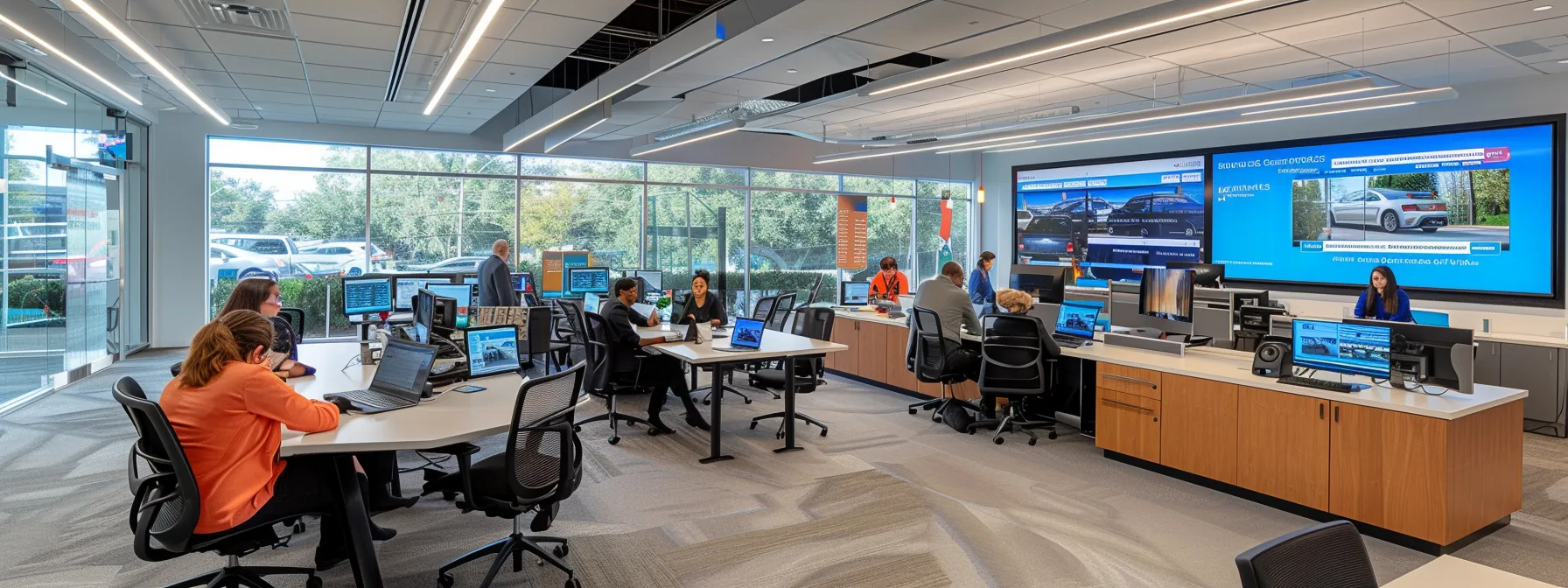
The section explains what commercial auto insurance covers and its operation in protecting Florida business fleets. It highlights key benefits such as addressing vehicle weight concerns, shielding against lawsuit claims, and offering truck insurance tailored to various fleet vehicles. This introduction sets the stage to request a quote while detailing the types of vehicles covered under Florida fleet insurance.
What Is Commercial Auto Insurance and How Does It Work?
Commercial auto insurance offers protection for business vehicles, ensuring that the fleet remains secure even when key risks arise. It effectively manages liabilities related to distracted driving incidents and other operational hazards, making it an integral part of risk management strategies for companies with real estate holdings and varied employment needs.
This coverage also extends to specialized policies such as garagekeepers insurance, which shields vehicles under custodial care. It serves as a practical tool for businesses seeking to maintain fleet integrity while mitigating legal and financial obligations stemming from transportation incidents.
Key Benefits of Commercial Auto Insurance for Florida Fleets
The protection offered by commercial auto insurance provides Florida business fleets with essential security against the financial impacts of accidents and liability issues. By integrating fleet insurance with specialized products such as commercial truck insurance, companies can effectively control risks and safeguard their assets alongside policies like home insurance, flood insurance, and options from sources like liberty mutual.
This coverage supports operational continuity by managing unforeseen expenses that arise during transportation incidents. The strategic inclusion of these insurance types ensures that enterprises maintain smooth operations while reinforcing responsible risk management practices tailored to the specific needs of Florida fleets.
What Types of Vehicles Are Covered Under Florida Fleet Insurance?
Florida fleet insurance typically covers various types of vehicles, including standard commercial vehicles and specialized units used for business operations. An insurance company often provides commercial automobile liability insurance as part of its commercial car insurance package, ensuring that every vehicle in the fleet has comprehensive liability coverage during business operations.
Each vehicle within the fleet, from small vans to larger trucks, benefits from tailored liability protection that addresses unique operational risks. This approach helps companies maintain their fleet securely while meeting regulatory requirements and providing consistent protection through well-rounded insurance solutions.
Evaluate Your Business Vehicle Coverage Needs

Companies must assess fleet size, composition, and typical risks when determining coverage needs. Topics such as vandalism, damages, and personal injury claim protection directly influence the cost and nature of insurance quotes.
Understanding the differences between liability and physical damage coverage provides essential insights for selecting the right protection for a Florida business fleet.
Assessing Your Fleet Size and Composition
Companies must evaluate the specific make-up of their fleet to determine the optimal commercial auto insurance coverage, particularly when vehicles are used for towing, transport, and food deliveries. This assessment typically involves noting differences in vehicle types, operational roles, and risk exposure, including concerns like theft and damage, which vary across vehicle categories:
- Small vans used for food delivery
- Heavy-duty trucks involved in towing
- Specialized transport vehicles with added theft vulnerability
By analyzing fleet size and composition, companies can secure tailored coverage that addresses distinct operational challenges, ensuring that each vehicle’s risks are managed effectively while supporting the overall protection strategy of the business fleet.
Identifying Typical Risks and Coverage Requirements
Businesses face numerous challenges, such as property damage and bodily injury claims, when ensuring that every van and truck in their fleet receives proper insurance commercial coverage. By considering options like state farm commercial truck insurance and personal injury protection, companies can address risks unique to specific vehicle types while meeting regulatory criteria efficiently.
Risk analysis should consider incidents ranging from minor collisions to high-impact accidents that affect fleet operations. A thorough review of coverage requirements for both van and truck segments helps enterprises tailor policies effectively, making insurance commercial a practical solution for mitigating real-world risks.
Understanding Liability Coverage vs. Physical Damage Coverage
Understanding liability coverage versus physical damage coverage is fundamental in any policy designed to protect a Florida business fleet, as each offers distinct types of exposure. A comprehensive insurance commercial auto policy ensures that liability safeguards address legal obligations, while physical damage coverage supports repair costs for a damaged car and truck; see the comparison details below:
This approach enables businesses to tailor their life insurance and commercial auto policies to meet specific fleet needs, ensuring each vehicle receives appropriate safety measures and support. By balancing coverage types, companies can effectively manage risks and maintain fleet integrity while mitigating the financial impact of accidents on their operations.
Discover Specialized Coverage Options for Florida Fleets

This section covers cargo insurance for business vehicles, non-owned vehicle coverage for employee use, and specialized coverage for vehicles in specific industries. It explains how commercial automobile insurance and business automobile liability insurance options aid management in addressing total loss risks and securing fleet operations effectively.
Cargo Insurance for Business Vehicles
Cargo insurance for business vehicles provides essential protection for goods while maintaining overall fleet security, ensuring that liability fees or repair expenses do not disrupt operations. This specialized vehicle insurance is beneficial for enterprises managing various transportation segments, including limousine services or passenger shuttles, where unique cargo and load considerations are critical.
This coverage supports companies in mitigating risks associated with product loss or damage during transit while complementing professional liability insurance measures already in place. By addressing extra cost burdens through efficient fee structures, cargo insurance helps safeguard the interests of business fleet operators who depend on reliable transport solutions for both goods and passenger services.
Non-Owned Vehicle Coverage for Employee Use
Non-owned vehicle coverage for employee use ensures that businesses have a reliable safety net when their workforce drives personal or rented automobiles for work-related activities. This coverage supports business operations by addressing potential damages and liability issues, similar to how mechanical breakdown insurance covers unexpected repair costs while remaining compliant with web accessibility standards and contract terms, ultimately reducing the overall tax burden.
By including non-owned vehicle coverage into their comprehensive auto insurance portfolio, businesses protect both their employees and assets from unforeseen risks. This approach pairs effectively with cyber insurance measures, ensuring that any contractual obligations are met while providing a valuable safeguard for companies striving for operational continuity and financial stability.
Coverage for Vehicles Used in Specific Industries
A Florida company that operates vehicles in specialized sectors, such as a food truck business, can benefit from tailored commercial auto insurance designed to offset industry-specific risks while managing deductible costs effectively. Insurance carriers offer flexible policies that integrate crucial coverage components including umbrella insurance, ensuring added protection for vehicles in high-demand sectors.
Given the diverse challenges in industries like food service and transport, companies are advised to review policy details carefully to secure comprehensive liability and collision protection. Industry professionals recommend partnering with reputable insurance carriers to set deductible levels that align with both operational budgets and practical risk management strategies.
Factors Influencing Commercial Auto Insurance Rates in Florida

Florida fleet management insurance premiums depend on location dynamics, driver history, fleet size, and vehicle type. These factors affect expense allocation while addressing law requirements and negligence issues in the United States. The next sections provide practical insights into how each factor informs optimal premium rates for effective fleet management.
How Location Affects Insurance Costs
Local factors play a significant role in determining premium rates, as regions with dense traffic and higher accident frequencies tend to incur increased costs for state farm commercial auto and similar insurance providers. This variation directly impacts companies when purchasing an insurance policy and pursuing insurance solutions that cover fluctuating risks with adequate umbrella coverage and liability insurance.
Urban and suburban locations continue to face distinct challenges that affect fleet management expenses, including accident risks and claim frequency. Businesses benefit from understanding these dynamics, allowing insurance providers to tailor insurance policy terms and offer reliable liability insurance integrated within comprehensive insurance solutions.
The Role of Driver History in Determining Premiums
Insurance providers assess driver history to determine premium rates by analyzing past performance and infractions, including speed violations and accident reports. A consistent record helps businesses secure lower premiums for a range of vehicles such as pickup truck, motorcycle, and other fleet assets, ultimately aiding enterprises in managing their overall income and balancing personal auto insurance costs with commercial needs.
Companies benefit from closely monitoring their drivers’ records, as a clean history reduces risk indicators that drive premium increases. Using practical insights from historical claims data, insurance carriers adjust rates for each vehicle based on factors like accident frequency, ensuring that both commercial fleets and individual policies, such as personal auto insurance, reflect a cautious yet effective risk management approach.
Fleet Size and Vehicle Type Impacting Rates
Companies that manage a larger fleet often face higher premiums because each commercial vehicle adds potential exposure to legal liability, crash risks, and other unforeseen events such as a flood. Insurance providers assess the impact of fleet size and vehicle type by examining factors like damage history and operational duties, which can also influence private equity investment in the business.
The composition of a fleet remains a key determinant in setting rates, with varied vehicle types facing different risks in terms of accidents and weather-related incidents. Insurers evaluate each commercial vehicle individually and collectively, ensuring that coverage aligns with the potential for legal liability and the risks of a crash or flood while maintaining cost-effective solutions.
Tips for Choosing the Right Florida Fleet Insurance Provider

Evaluating coverage options and pricing, along with customer support and claims handling, remains critical for businesses seeking commercial vehicle insurance. Prospective policyholders benefit from reading reviews and gathering recommendations to enhance contact efficiency during an accident, ensuring travelers reliable payment solutions and effective claims processing. This section offers practical insights into these key topics.
Evaluating Coverage Options and Pricing
When evaluating coverage options and pricing, businesses in florida should compare policies that include surety bonds, lease arrangements, and trailer protection while also considering personal insurance needs; this detailed review helps ensure fair rates and comprehensive coverage for every fleet vehicle:
- Review policy terms for surety requirements
- Assess lease coverage and trailer liability
- Compare pricing with personal insurance supplements
Insurance providers offer competitive rates that address unique fleet requirements, ensuring that companies receive tailored protection; this process has proven effective in saving costs while securing optimal coverage for fleet operations.
Importance of Customer Support and Claims Handling
Robust customer support and swift claims handling are critical for Florida business fleets, as they guarantee that asset protection maintains efficiency during incidents. Professional providers of auto insurance that offers commercial auto liability coverage ensure that accessibility to accurate information is prioritized, thus leading to faster resolution times.
Reliable claims processing and dedicated customer support enable businesses to resolve issues effectively while minimizing disruption to fleet operations. Expert insurance providers understand that offering prompt and clear information, as well as personalized asset protection, is key to sustaining long-term operational stability for Florida fleets.
Reading Reviews and Gathering Recommendations
Reading reviews from other business fleet operators offers practical insights into choosing dependable commercial auto policies. Evaluating real-world experiences related to motor vehicle claims and managing risks for vehicles such as a dump truck can lead to informed decisions that lower overall insurance costs.
Gathering recommendations from industry experts and peers helps in assessing the effectiveness of various policy options. This approach enables companies to compare how different providers manage risk and support claims, ensuring that their commercial auto policies provide reliable protection while reducing potential financial exposure.
Common Questions About Commercial Auto Insurance for Florida Businesses

This section addresses what to do after an accident involving a business vehicle, how to make a claim on commercial auto insurance, and answers FAQs on coverage exclusions and limits. It offers practical insights for customers, covering topics from cheap commercial truck insurance options to guidelines from the federal motor carrier safety administration and effective commercial auto liability insurance practices for safe driving.
What to Do After an Accident Involving a Business Vehicle
Following an accident involving a business vehicle, the incident should be documented immediately; a professional assessment can help determine whether additional support such as roadside assistance is needed, and the affected vehicle—be it a construction truck, taxi, or hired auto—should be secured to prevent further hazards. This process helps businesses quickly gather the necessary details, including the zip code where the incident occurred, to streamline communication with their insurance provider:
- Collect essential documentation such as photographs and witness contact information.
- Record the zip code and location details for accurate reporting.
- Secure immediate roadside assistance to address any safety concerns.
Subsequent to securing the scene, the business operator should contact the insurance agency to file a comprehensive claim; discussing specific needs, such as those related to construction or taxi services, ensures that a tailored resolution is provided that meets industry standards. This direct approach minimizes downtime and informs all stakeholders that the correct procedures are in place for taxi, hired auto, or construction fleet vehicles encountering such incidents.
How to Make a Claim on Your Commercial Auto Insurance
The process to file a claim with commercial auto insurance companies for a Florida business fleet involves simple steps that ensure timely support. The approach includes contacting the business insurance provider immediately after an incident involving injury or property damage, while gathering relevant documentation for a smoother processing of the claim.
When a claim is made on business auto insurance, the provider will investigate the circumstances, whether the damage involves a mobile home or a fleet vehicle, to provide a fair settlement for the incident. This streamlined process helps companies restore operations quickly and manage risks efficiently with professional expertise from trusted commercial auto insurance companies.
FAQs Addressing Coverage Exclusions and Limits
Frequently asked questions on coverage exclusions provide clarity on common scenarios involving liability and insurance coverage for Florida business fleets, including issues with tractor coverage and employee-health-benefits integration. The inquiries often focus on specific policy gaps that may affect commercial insurance claims, prompting detailed explanations from professionals to guide fleet managers effectively:
- Clarification on liability limits
- Exclusions related to tractor operations
- Integration with employee-health-benefits
Industry experts advise that understanding the fine print in commercial insurance policies is critical to preventing unexpected gaps in coverage, while addressing both general liability and specialized exclusions. Practical examples from past claims demonstrate that clarifying these elements helps companies avoid costly oversights and manage their fleet’s insurance coverage with confidence.
Conclusion
Florida business fleets benefit from tailored insurance policies that address vehicle-specific risks and liabilities. Commercial auto insurance protects companies against unexpected financial losses from accidents and operational hazards. It provides coverage that aligns with fleet size, composition, and unique industry requirements. This protection is crucial for maintaining smooth business operations and minimizing downtime after incidents.


