Flood Insurance: A Necessity for Florida Property Protection

Flood Insurance: A Necessity for Florida Property Protection

The Importance of Flood Insurance for Florida Homeowners
Do you worry about water damage to your Florida home? This post explains flood insurance in Florida, outlining how it covers property loss, assesses financial impacts, and guides homeowners in choosing proper coverage. Readers gain practical steps to avoid unexpected expenses and secure reliable protection. The content addresses common uncertainties while offering clear benefits for managing flood risk effectively.
Key Takeaways
- Florida homeowners must assess flood risk using historical data and expert insights
- Flood insurance covers water damage that regular homeowners policies do not address
- FEMA policies assist in evaluating and managing property flood risks effectively
- Policy terms require careful review to avoid gaps in coverage and unexpected expenses
- Home inspections and regular policy updates improve financial stability after water damage events
Understanding Flood Insurance in Florida

This section defines flood insurance while explaining its importance for Florida homeowners. It details various cover options, key features of home protection policies, and FEMA backup advantages. It also covers assessing risks from rain, leak issues, and wear, plus alternative payment methods using a credit card for backup support.
Defining Flood Insurance and Its Importance
Flood insurance safeguards homeowners from water damage that can escalate into a major disaster; it covers losses due to severe weather events that exceed typical homeowner policies. This protection extends to vital components of a home such as the furnace while supplementing security measures for structures like the garage door and the overall garage, providing a sound supplement to existing vehicle insurance policies.
Insurance providers emphasize that flood insurance is an active tool to mitigate financial struggles following a disaster. Homeowners benefit from a policy that not only covers critical systems like the furnace but also supports secure spaces including the garage, ensuring a comprehensive shield that works seamlessly with vehicle insurance.
Types of Flood Insurance Available in Florida
Insurance providers offer a range of flood policies designed to suit Florida homeowners’ specific needs. These options cover both the structure and personal property, addressing items such as the oven in the kitchen, the hot tub in the backyard, and additional risks that may affect the overall real estate value; below is an overview of key offerings:
- Standard flood coverage
- Comprehensive property protection
- Supplemental coverage for ancillary structures
Policyholders can select plans that integrate smoothly with existing mortgage requirements, ensuring that all aspects of their property, including areas susceptible to flood events, remain protected. Insurance specialists highlight that these tailored policies lessen financial burdens while preserving the value of real estate assets in flood-prone regions.
Key Features of a Home Protection Policy
This policy offers distinct features such as a competitive price and comprehensive safeguards against damage caused by hail and other severe weather events; it also includes provisions for protecting sensitive electronics and incorporates clear contract terms:
- Water damage coverage
- Hail impact protection
- Electronics safeguard
- Transparent contract details
- Fair price evaluation
Insurance experts maintain that these features collectively form a robust option for managing repair costs after a natural disaster, ensuring Florida homeowners receive meaningful support and peace of mind. The policy enables proactive solutions to property risks while addressing essential concerns effectively.
Advantages of FEMA Flood Coverage
FEMA flood coverage in Florida offers a robust option for mitigating risks associated with water damage, addressing issues such as lightning strikes and plumbing malfunctions. Insurance experts affirm that this coverage minimizes liability concerns and tames potential lawsuit scenarios when unexpected challenges occur:
FEMA policies equip Florida homeowners with a targeted option that addresses distinct vulnerabilities, offering clear benefits in risk management. The approach instills confidence by covering essential home systems and reducing the risk of costly legal disputes and repair expenses.
How to Assess Your Flood Risk in Florida
Evaluating flood risk in Florida requires a precise review of weather patterns and historical data, ensuring that both residential structures and accompanying coverage like home warranty cover and renters insurance are considered:
- Examine historical flood records and local environmental reports
- Consult with a trusted real estate agent for neighborhood insights
- Utilize emergency management resources for current risk assessments
- Factor in additional safeguards such as personal property protection allstate
Professional assessments also incorporate mapping resources and expert consultations to outline vulnerabilities, providing actionable steps for securing comprehensive flood measures and aligning with emergency management guidance.
Financial Implications of Flood Insurance

Cost factors affecting flood insurance premiums include corrosion issues, outdated home warranty plans, and overall home protection standards. Without coverage, homeowners risk significant financial losses. Estate agents note that available incentives and discounts can improve affordability, resulting in long-term savings and secure support for essential items such as the stove.
Cost Factors Influencing Flood Insurance Premiums
Premium costs depend on factors such as a property’s proximity to the coast, local weather trends, and potential damage risks, which can affect the overall value and security of a loan. By assessing these factors carefully, insurance providers help consumers understand premium adjustments while ensuring approaches meet the high standards set by trusted brands like Liberty Mutual, promoting customer satisfaction.
The calculation of premiums incorporates detailed evaluations of environmental risks and property conditions that influence potential repair and replacement costs. Insurance experts advise that such considerations are essential in explaining premium differences, ensuring consumers receive competitive pricing reflective of regional risks and high levels of customer satisfaction.
Potential Financial Losses Without Coverage
Without proper flood insurance, Florida homeowners may face burdensome financial repercussions after water damage, especially when unexpected repair costs arise and market values decline. Experts note that reliance on support from the federal emergency management agency or assistance from a trusted company may not cover every aspect of damage, leaving homeowners exposed to risks such as warranty issues and gaps in services delivered via the internet:
- Unexpected home repair expenses
- Reduction in property value
- Compromised warranty protections due to incomplete coverage
- Delays and uncertainties in processing claims through online systems
Industry professionals emphasize that verifying policy details and ensuring adequate coverage provides a direct link to financial stability after a flood event. They advise that careful review of current plans and warranty terms is essential for safeguarding assets and mitigating unforeseen expenses.
Incentives and Discounts for Florida Homeowners
Florida homeowners can benefit from special incentives that help lower flood insurance costs while ensuring robust protection for their properties. Several providers, including american international group and liberty home guard, offer discount options that integrate efficient claim handling via email and include maintenance support for items like a sump or clothes dryer, ensuring comprehensive home security:
- Customized incentive programs based on property risk
- Discount packages that combine prompt email notifications with robust emergency services
- Bundled offers linking flood insurance with maintenance checks for sump systems and clothes dryers
- Collaborative opportunities with reputable providers such as american international group and liberty home guard
Florida residents are encouraged to review policy details with trusted advisors, as prompt action can lead to additional savings and a reduction in potential financial losses. Professional insights emphasize that verifying eligibility for discount programs is a practical step toward achieving long-term affordability and improved protection for all home systems.
Long-Term Savings Through Flood Insurance Policies
Long-term flood insurance policies allow Florida homeowners to reduce future expenses and manage repair costs linked to wear and tear. Expert advice, often available through a quick telephone call, demonstrates that strategic planning and solid home systems protection significantly lower overall living expenses while preserving property value.
Insurance providers support property owners in achieving consistent savings by tailoring coverage that addresses evolving risks and ensures reliable home systems protection. Professionals note that engaging with specialists via telephone and reviewing details regularly improves living standards and mitigates costs related to unavoidable wear and tear.
Navigating the FEMA Flood Insurance Program
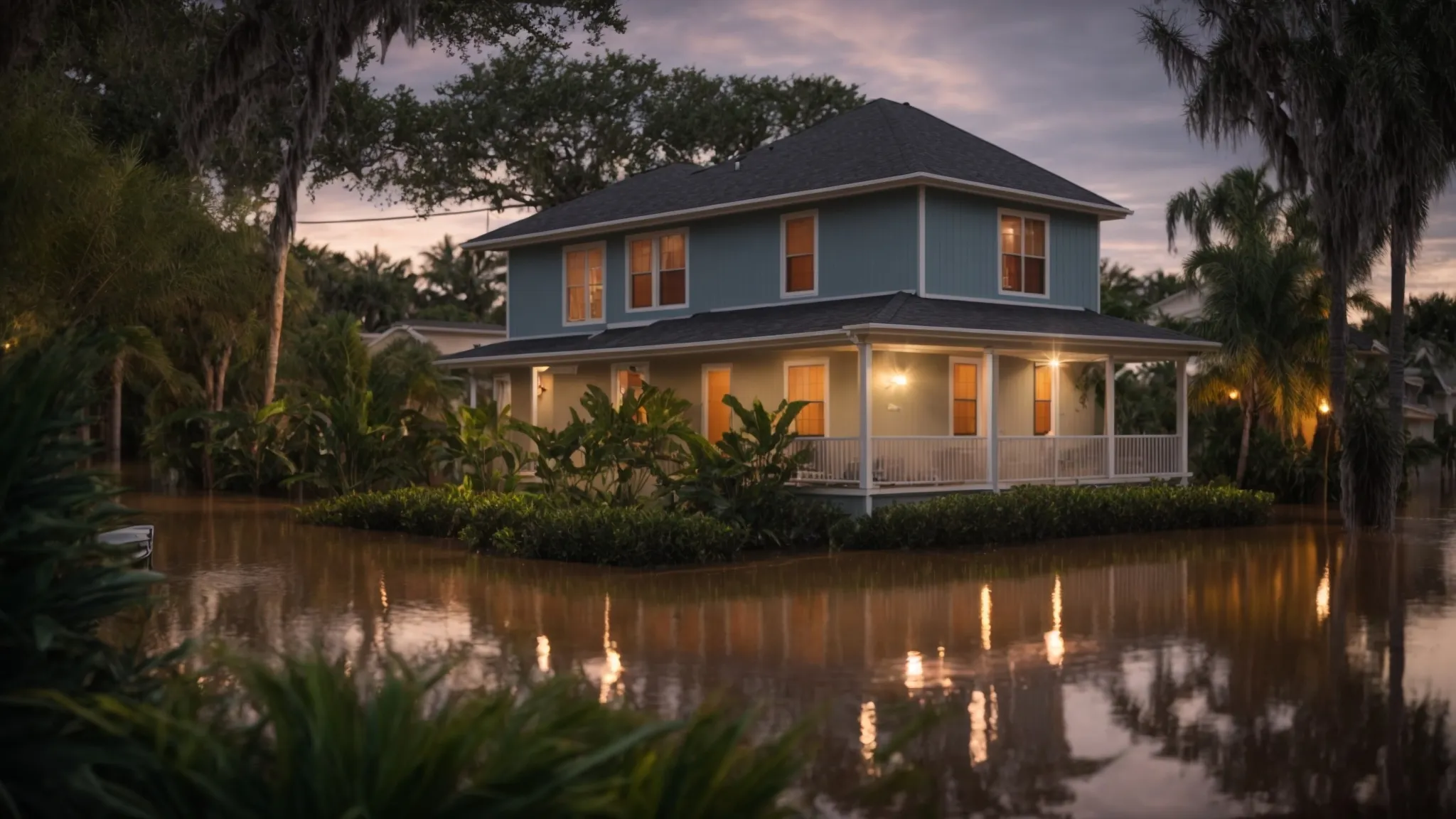
This section explains FEMA’s role in flood insurance, eligibility requirements based on zip code, filing a FEMA claim process, and key resources for Florida homeowners. It details legal liability aspects, condo landlord insurance support, theft prevention, and payment guidelines, providing concise, practical insights for managing flood coverage effectively.
Understanding FEMA’s Role in Flood Insurance
FEMA’s program plays a central role in providing structured flood insurance, which helps Florida homeowners manage risk while supporting coverage options such as pet insurance. The program sets clear guidelines to evaluate hazards affecting key home systems like air conditioning and the kitchen, along with considerations for manufacturing operations:
FEMA’s flood insurance program facilitates efficient assistance and claim processing for homeowners confronting flood events, addressing concerns such as risk management and the protection of critical home areas. Experts recommend reviewing policy details carefully to ensure that coverage aligns with individual property needs and supports long-term stability in high-risk regions.
Eligibility Requirements for FEMA Flood Coverage
A homeowner seeking FEMA flood coverage must meet specific conditions that assess overall property integrity, including the roof’s condition and compliance with local standards. The evaluation also considers previous claims, inspections from approved agencies like the Better Business Bureau, and alignment of the plan with an individual’s budget:
- Documentation of property condition
- Records of roof maintenance and repairs
- Verification from certified evaluators
- Evidence of budget readiness for premium payments
- Confirmation of hazard mitigation measures, including considerations for car accessibility
Applicants who satisfy these requirements typically experience a streamlined process leading to effective coverage that mitigates flood-related risks. Insurance providers confirm that adherence to these criteria guarantees protection that addresses critical needs, ensuring that every homeowner benefits from reliable support when disaster strikes.
How to File a FEMA Flood Insurance Claim
Filing a FEMA Flood Insurance claim involves gathering detailed documentation regarding property damage, including evidence of loss, repair receipts, and evaluations showing the actual cash value of impacted items, such as furniture and essential home systems. Insurance representatives advise homeowners to coordinate with financial advisors to ensure that the claim process aligns with personal finance strategies and complements existing home warranty policies.
Homeowners should submit a formal claim through FEMA’s online portal or by contacting their local FEMA office to obtain guidance throughout the review process:
Resources for Florida Homeowners Under FEMA
FEMA offers essential information that enables Florida homeowners to address floodplain risks effectively while integrating home insurance with strategic home repair measures. The program supports professional guidance that helps property owners navigate claims and adjust coverage requirements, ensuring that even everyday issues like a malfunctioning dishwasher receive proper attention.
Residents benefit from FEMA’s streamlined online resources, which provide clear instructions and practical examples to support flood-related home repair actions. Expert advice in the system assists homeowners in refining their insurance coverage, maintaining safeguards for structural integrity, and preparing for potential disruptions in areas prone to flooding.
The Impact of Climate Change on Flood Risk

Rising sea levels increase flooding risks in Florida. This section reviews how adapting homeowner policies and proactive investments prepare for future storm events, details FEMA flood coverage programs, and highlights credit options that support effective flood mitigation strategies.
How Rising Sea Levels Affect Florida’s Flooding
Florida sees an increase in flood risk as sea levels rise, leading professionals to advise that homeowners consult current maps and maintain efficient pump systems, similar to keeping a sound life insurance policy to secure financial stability. These proactive measures enable property owners to address immediate water damage concerns with clear, actionable strategies.
Heightened flooding conditions can leave homes more exposed to the risk of vandalism, creating additional concerns beyond water damage. Industry experts stress that a robust flood protection policy acts as a critical asset, offering homeowners strong defense against both natural and human-induced challenges.
Adapting Homeowner Policies for Future Risks
Homeowners adjust policies to better address future risks from climate change, ensuring that insurance covers water damage and other damages effectively. They focus on solutions that reduce the cost of repairs, addressing vulnerabilities such as a malfunctioning garage door opener.
Policy modifications include reviewing coverage details and updating risk management strategies, which strengthens resilience against potential damages. Experts advise that comprehensive insurance helps in managing expenses related to water damage while ensuring essential items remain protected.
Strategies for Homeowners to Mitigate Flood Risks
Florida homeowners can mitigate flood risks by maintaining their properties regularly and aligning upkeep with the national flood insurance program. Industry professionals advise that proactive maintenance helps protect against the damaging effects of storm surge and unexpected weather conditions such as snow.
Experts recommend assessing property vulnerabilities and upgrading structural defenses to counter risks from forces like earthquake impacts. This practical approach enhances overall resilience and provides clear guidance for managing potential flood damage effectively.
Common Myths About Flood Insurance

This section examines common myths by debunking misconceptions using reliable data. It explains what a flood insurance policy does not cover and clarifies the distinction between homeowners insurance and additional options like extended warranty, even addressing potential impacts on clothing losses. Florida homeowners gain practical insights to make informed decisions on their coverage.
Debunking Misconceptions Surrounding Coverage
Industry professionals clarify that flood insurance is not merely an additional fee or expense but a strategic resource to protect against unpredictable water damage, a misconception occasionally compared to practices in Texas. They emphasize that the coverage provided supports comprehensive risk management, ensuring homeowners receive solid protection for their property investments.
Experts note that flood insurance is distinct from refinancing measures and goes beyond standard policies, including separate considerations for systems like HVAC units. This precise understanding helps homeowners manage repair expenses and maintain essential services, ultimately guiding them toward more secure financial decision-making.
Understanding What Flood Insurance Does Not Cover
The analysis reveals that flood insurance does not include coverage for damages caused by wind events or failures in structural defenses like a dam, which are often managed under separate property insurance or homeowners insurance policies. This restriction highlights the need for homeowners to verify that their current insurance portfolio addresses all distinct risks they may face:
- Wind damage from severe weather events
- Dam failures or related structural issues
- Losses typically covered by homeowners insurance
- Additional risks requiring specialized property insurance
Industry experts note that understanding these exclusions is vital for creating a balanced risk management plan, prompting Florida homeowners to review each policy’s scope and consider supplemental strategies for broader coverage. This proactive approach ensures that property investments remain secure despite the limitations of standard flood insurance policies.
Clarifying the Relationship Between Homeowners Insurance and Flood Insurance
Homeowners insurance and flood insurance serve distinct roles in protecting Florida properties; traditional policies cover issues such as wildfire damage and general property risks, yet they rarely address challenges like sump pump failures and extensive water damage, which require separate coverage with its own deductible:
- Homeowners policies typically focus on fire, theft, and structural damage.
- Flood insurance targets water-related incidents not covered by standard plans.
- Different deductibles apply, creating separate claim processes.
- Reputable insurance companies, including american home shield, clarify these distinctions to ensure effective protection.
Expert analysis confirms that distinguished insurance companies advise careful review of policy specifics to avoid gaps in coverage; these reviews emphasize that while homeowners insurance provides traditional safeguards, flood insurance is necessary to cover specific water-related risks and uphold financial stability through clearly defined deductible structures and coverage details.
Steps to Secure Flood Insurance Coverage

Florida homeowners must assess property risk and value, choose a qualified provider, understand policy terms and conditions, and update their coverage regularly. This approach safeguards against water damage, rust on key systems, and mudflow effects experienced in the united states, while protecting business interests and ensuring clear financial planning.
Assessing Your Home’s Risk and Value
Florida homeowners should evaluate potential hazards carefully before selecting an insurance policy that meets their needs. They review property conditions, note the state of key appliances such as a washing machine, and verify details through an email address provided during the inquiry process:
Insurance providers advise that professional reviews help homeowners secure a robust insurance policy by using precise risk evaluations and timely communication via email address. This approach enables property owners to mitigate hazards effectively, ensuring that all aspects of their home value are protected.
Finding a Qualified Flood Insurance Provider in Florida
Florida homeowners should research certified providers and verify their finance records to ensure robust support when claims arise. They must confirm that the insurer can handle issues affecting critical equipment and basements without delay while maintaining clear processes for cash settlements.
Industry experts recommend comparing providers with solid financial backing and straightforward policy terms. Homeowners benefit by choosing an insurer that demonstrates expertise in addressing flood damage, safeguards equipment, and effectively manages basement repairs while ensuring fast cash access for repairs.
Understanding Policy Terms and Conditions
Understanding policy terms and conditions provides clear guidance for Florida homeowners who seek reliable flood insurance coverage. The language used in the agreement outlines coverage limits, deductibles, exclusions, and claim procedures that help establish a practical framework for mitigating financial risks associated with water damage.
Insurance providers present defined contract details so that each policyholder knows the precise benefits and responsibilities linked to their flood insurance plan. This careful review promotes transparency, enabling homeowners to align their risk management strategy with the specific stipulations of their policy terms and conditions.
Reviewing and Updating Your Flood Insurance Policy Regularly
Regular reviews of flood insurance policies help Florida homeowners verify that coverage remains aligned with current property conditions and local flood risk changes. Adjusting insurance details when necessary improves protection against water damage and may reduce potential repair expenses.
Consulting with trusted insurance professionals assists homeowners in identifying shifts in flood exposure and updating policy terms accordingly. This proactive approach facilitates better financial planning and ensures that homeowners have the coverage required for evolving environmental conditions.
Conclusion
Flood insurance protects Florida homeowners against severe water damage that can otherwise lead to overwhelming financial burdens. It covers essential systems and personal property, addressing unique risks associated with rising sea levels and variable weather conditions. FEMA-backed programs and tailored policies work in tandem with standard homeowners coverage to ensure comprehensive financial protection. Homeowners must rigorously assess risks and partner with qualified insurers to secure resilient coverage and long-term savings.


Leave a Reply
Want to join the discussion?Feel free to contribute!