Professional Liability Insurance: Protecting Your Business Ventures

Understanding the Need for Professional Liability Insurance in Business Risk Management
Does your business face potential financial risks from professional mistakes? This article outlines the significance of Professional Liability Insurance and its role in business risk management. It covers defining Professional Liability Insurance, understanding common industry misconceptions, and exploring how to select the right policy. Readers will learn how this insurance protects against financial loss and supports risk management strategies in various sectors.
Key Takeaways
- Professional liability insurance reduces financial loss from service errors
- It covers risks beyond those addressed by general liability policies
- Detailed policy terms enable tailored risk management for industries
- Real-world examples show coverage prevents unexpected financial setbacks
Defining Professional Liability Insurance

Professional liability insurance is a critical element of business risk management, including employee health benefits, addressing errors and omissions that general liability overlooks. This policy differentiates itself by focusing on issues beyond those covered by vehicle insurance and surety bonds, as noted by industry experts including pwc. Key insights include root cause analysis techniques and essential protections for service providers.
Understanding Professional Liability Insurance and Its Importance
Professional liability insurance provides coverage for mistakes in service delivery, including errors and omissions, and addresses issues arising from a breach of contract. This coverage assists service providers in managing risks not covered by directors and officers insurance and even supports situations where claims may unexpectedly increase fee assessments.
Service organizations benefit from a focused policy that covers liabilities typically overlooked, such as those associated with a car accident or contractual disputes. The policy demonstrates tangible expertise by protecting business interests and ensuring that financial setbacks from unforeseen claims do not destabilize operations.
Key Differences Between Professional Liability Insurance and General Liability Insurance
Professional liability insurance specifically covers errors resulting from professional services, unlike general liability insurance that addresses physical risks such as property damage from a flood. The policy offers protection for accountants using complex machine learning systems and companies involved in outsourcing operations, ensuring that errors do not harm their reputation or financial stability.
While general liability insurance may protect businesses against claims like bodily injury, professional liability focuses on service-related missteps, a concern for advisory roles across various sectors including accounting and technology. This specialized coverage assists businesses in managing risks associated with high-stakes projects, where a simple mistake could impact reputation significantly and disrupt operations, much like the effects of a disruptive flood event.
Overview of Errors and Omissions Coverage as a Component of Professional Liability Insurance
The coverage protects service organizations against errors and omissions, supporting processes that handle automation and program delivery. It ensures that mistakes are rectified, and safeguards extend to areas like email communications and compliance with guidelines from the national institute of standards and technology:
This component of the policy offers tangible benefits, including streamlined procedures for addressing claims related to crisis management and program errors. Organizations gain confidence knowing that clear steps are outlined for addressing email mishaps and technical errors, which reduces the chance of financial setbacks and preserves their reputation.
Understanding Business Risk Management

This section outlines how professional liability insurance integrates with business risk management by exploring its role in mitigating risks, including hazards related to virtual operations. It explains the insurance’s contribution to competitive advantage and small business insurance strategies, highlights budget considerations, and identifies specific risks and errors that demand careful oversight.
Exploring How Professional Liability Insurance Fits Into Business Risk Management
Professional liability insurance plays a vital role in business risk management by offering protection against faults stemming from service errors and contract disputes. It addresses concerns such as phishing attacks and breaches of intellectual property rights, ensuring that organizations uphold robust ethics in their operations.
This coverage secures businesses by mitigating risks and reducing potential financial loss from unforeseen operational mistakes, such as contract breaches and issues related to intellectual property. It also provides practical guidance to rectify errors, including incidents of phishing, while promoting sound ethics and accountability in every step of the process:
Identifying Risks That Professional Liability Insurance Addresses
Professional liability insurance addresses risks related to it risk management by monitoring employee behavior and service delivery procedures that may lead to potential errors. This coverage targets issues that might result in financial repercussions, offering a safeguard against mistakes that could otherwise affect corporate finance and business reputation on platforms like linkedin.
The policy also focuses on protecting organizations from liabilities that extend beyond physical incidents such as property damage. It provides a financial shield for companies facing claims related to service oversights while ensuring that all operational risks are managed effectively.
The Role of Professional Liability Insurance in Mitigating Risks
Professional liability insurance plays a vital role in mitigating risks by addressing potential challenges such as ransomware attacks, software errors, and service delivery faults. This coverage supports professionals like accountants with robust public liability and professional indemnity insurance, ensuring that any incidents that disrupt operations are managed within industry standards outlined by the nist cybersecurity framework.
The insurance assists organizations in shielding themselves from financially significant errors, guiding them to implement safeguards that resolve issues before they escalate. This approach not only stabilizes business operations but also reinforces trust among clients by clearly managing the risks associated with professional service delivery.
The Necessity of Professional Liability Insurance in Various Industries
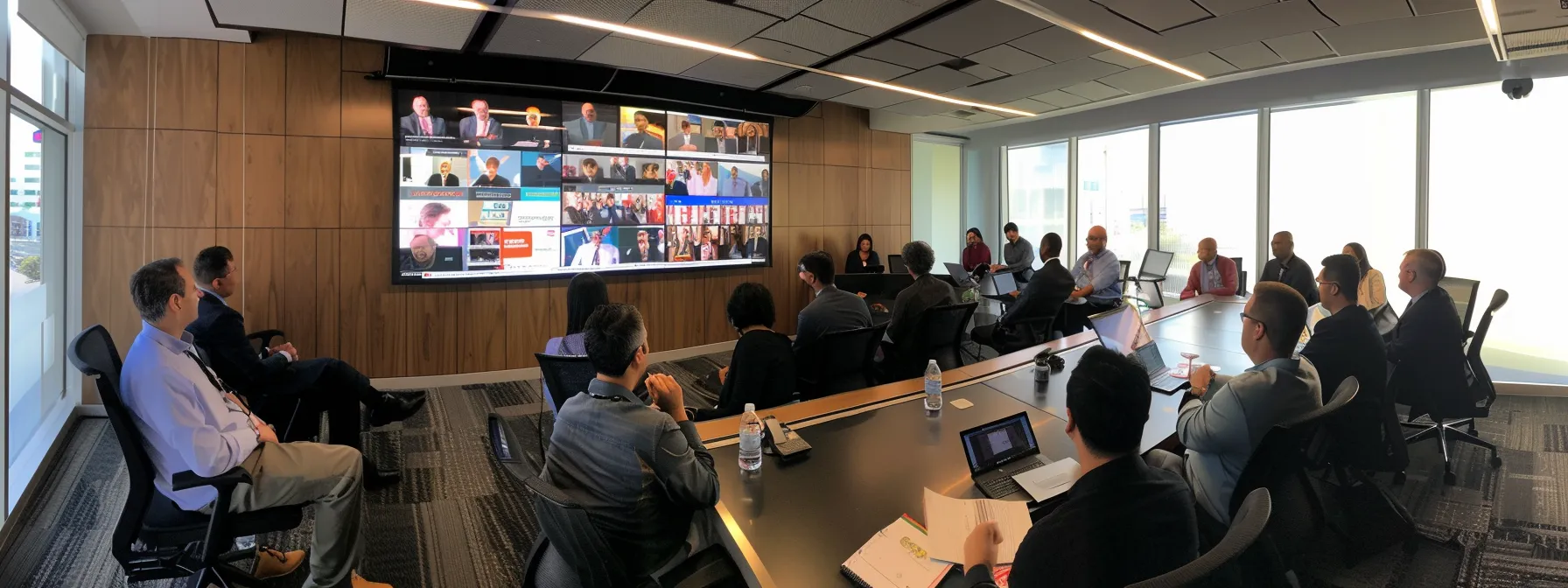
Industry-specific requirements drive the use of professional liability insurance, with various sectors relying on errors and omissions coverage to manage money-related losses and ensure effective mitigation. Detailed case studies offer real-world insights, while insights from a standards organization and experiences with insurance companies underscore the importance of avoiding discrimination in professional practices.
Industry-Specific Requirements for Maintaining Professional Liability Insurance
The insurance requirements vary across industries, and experts recommend that architects consider the probability of unexpected claims when selecting pli insurance coverage. This discipline demands targeted errors & omissions insurance measures that address the unique risks encountered in design and planning practices.
Organizations in fields such as construction and consulting benefit from policies like hpso insurance, which specifically cater to their operational risk profiles. Industry practitioners rely on robust professional liability coverage to manage financial exposure and uphold their reputation during critical project stages.
How Different Professions Utilize Errors and Omissions Coverage
Various professions utilize errors and omissions coverage to safeguard against financial setbacks linked to employment practices, false advertising claims, and similar operational risks. This type of liability insurance fills the gaps that property insurance leaves uncovered by addressing service-related discrepancies and ensuring continuity in business operations.
By integrating errors and omissions coverage, professionals can strengthen the link between risk management and overall business strategy, offering protection when unforeseen mistakes occur. These measures empower organizations to manage claims effectively, even in cases of false advertising incidents or employment disputes, thereby preserving their credibility and financial stability.
Case Studies: Real-World Examples That Highlight the Need for Coverage
Recent case studies have shown that professionals in accounting and legal fields significantly benefit from error coverage when risks escalate. A well-designed dashboard provides the board of directors with the attention needed to manage potential claims under applicable law, ensuring that life insurance outcomes are not jeopardized by unforeseen errors.
A practical example involved a consulting firm that faced a major claim incident:
This case reinforces the practical benefits and addresses direct needs by providing actionable insights for organizations aiming to protect themselves from service errors.
Common Misconceptions About Professional Liability Insurance

The discussion debunks common myths regarding coverage necessity while clarifying misunderstandings about limits and exclusions and stressing the importance of tail coverage. Drawing on experience in project management and credit risk assessments across different zip code areas, the insights foster a better understanding of essential provisions in professional liability insurance. This examination provides practical, straightforward expertise for informed decision-making.
Debunking Myths Surrounding Coverage Necessity
The notion that professional liability insurance is unnecessary is unfounded, as errors and omissions coverage safeguards businesses from unexpected claims. This protection offers critical support for companies that rely on e & o insurance coverage to manage risks typical in commercial insurance policies, especially when handling complex tasks like tech e&o integration.
The misunderstanding that personal insurance standards apply to professional activities may misguide decision-makers, leading to inadequate risk management:
- Service-related errors require dedicated errors and omissions coverage.
- Organizational risks extend beyond what personal insurance covers.
- Comprehensive commercial insurance policies offer essential safeguards.
- Tech e&o provisions address specific challenges in technology services.
This detailed perspective illustrates the key areas where targeted e & o insurance coverage makes a substantial difference.
Clarifying the Misunderstanding of Coverage Limits and Exclusions
The insurance perspective clarifies that coverage limits and exclusions are defined based on the specific needs of industries such as technology, real estate, and casualty insurance. Business risk management professionals emphasize that distinguishing these limits from general cash flow or operational risks is crucial for developing tailored policies.
Industry experts provide actionable guidance by breaking down the components of coverage restrictions:
Business leaders use these insights to determine optimal levels of protection and ensure comprehensive risk management measures.
The Importance of Tail Coverage in Professional Liability Insurance
Tail coverage serves as a crucial safety net in professional liability policies by protecting businesses from claims that arise after a policy expires, ensuring that the errors & omissions insurance cost remains predictable amid fluctuating risk assessments. This protection helps brokers and customers address unforeseen liabilities related to data security breaches and service errors.
By extending coverage duration, tail coverage empowers organizations to complete pending risk assessments and manage claim settlements effectively:
Benefits of Having Professional Liability Insurance

Professional liability insurance safeguards enterprises against legal costs and challenges related to claims, bolstering client trust and strengthening professional reputation. It leverages predictive analytics within enterprise risk management strategies to support business continuity and growth, ensuring that credit concerns and operational interest remain securely managed. The following sections detail these protective benefits and strategic risk controls.
Protecting Against Legal Costs and Claims
Professional liability insurance offers a financial safeguard against legal expenses and claims that arise from an omission in service or mismanagement of advertising initiatives. Organizations, including physicians and consultants, depend on targeted coverage to maintain financial stability and comply with regulation, ensuring that unexpected legal challenges do not disrupt revenue streams:
- Addressing service omissions with precise policy measures
- Implementing strict advertising standards to avoid legal disputes
- Maintaining compliance with industry regulations for physicians and other professionals
This coverage also supports companies in managing risks related to errors in service delivery, such as omission incidents that may lead to financial loss, thereby providing a clear path toward consistent revenue and operational integrity while offering practical protection in high-stakes professional scenarios.
Enhancing Client Trust and Business Reputation
Professional liability insurance contributes to enhanced client trust and a strong business reputation by ensuring that their risk management strategies minimize unexpected expense, thereby protecting the firm’s financial stability. Experts note that maintaining reliable contact channels and using focused intelligence in claims management helps estate agents and other professionals achieve their strategic goal of fostering long-term client relationships.
Industry specialists observe that well-tailored coverage supports a business’s standing by mitigating potential financial setbacks and streamlining risk assessments through actionable intelligence. This approach allows firms to demonstrate commitment to excellence, reducing expense-related risks and reinforcing confidence among clients and estate agents alike.
Supporting Business Continuity and Growth
Professional liability insurance supports business continuity and growth by stabilizing financial risks that can disrupt operations. The policy assists health professional firms and technology providers in aligning their risk appetite with effective safeguards, while a strong risk management framework addresses service-related issues from computer malfunctions to errors in professional practice, ensuring processes remain intact during challenging periods.
This insurance enables organizations to maintain consistent operational performance and strategic growth by providing clear guidance in malpractice insurance matters and broader risk oversight. Firms can confidently manage claims and resolve disputes, using insights from a structured risk management framework to protect revenue streams and secure business futures.
How to Choose the Right Professional Liability Insurance

This section outlines a methodical approach to selecting professional liability insurance. It emphasizes assessing business needs and risks, factors when comparing policies, and understanding policy terms. Evaluating e and o coverage, cash flow impacts, finance requirements, cybercrime exposure, and potential damages will aid in finding the appropriate insurance provider for comprehensive risk management.
Assessing Business Needs and Risks
Businesses must assess their needs when choosing professional liability insurance by evaluating risk exposure related to occupational safety and health standards, identifying areas of vulnerability such as power outage disruptions, and factoring in industry-specific challenges that often require court involvement. This review offers insights into potential claims and informs the insurance selection process:
Organizations refine their insurance strategy through a clear understanding of these factors, while practical measures—such as ongoing education on risk management—help to mitigate potential issues. This systematic approach directs decision-makers to select policies that not only cover operational vulnerabilities but also safeguard against unforeseen events in a court setting.
Factors to Consider When Comparing Policies
When evaluating policies, professionals should examine details such as fee structures and the protection level for fraud-related claims to determine the optimal coverage for their business risk management needs. They can access reliable information from industry case studies and simulation models used at institutions like Harvard Business School to guide their decision-making process.
Decision-makers must analyze factors including travel insurance add-ons, claim processing procedures, and digital security measures when comparing policies:
A careful review of these factors provides actionable insights that empower professionals to make informed decisions that align with their risk management strategies.
Understanding Policy Terms and Conditions
The insurance provider explains that understanding policy terms and conditions involves scrutinizing details such as limitations and exclusions to align coverage with a company’s strategy. By analyzing comparisons with offerings like real estate errors & omissions insurance and referencing insights from Harvard Business Review, organizations develop practical approaches to managing potential risks. The evaluation accounts for unique scenarios, including earthquake-related damages and case studies observed through geico’s risk analysis practices.
Decision-makers review policy language meticulously to ensure the coverage matches their operational needs and risk exposure. They consider factors such as claim handling procedures and coverage extensions, drawing from expertise reflected in industry research at Harvard Business Review. In doing so, they secure policies that address specifics like real estate errors & omissions insurance and comparable risks observed during events such as an earthquake.
Finding the Right Insurance Provider for Your Needs
The insurance provider should offer a clear framework for governance and risk assessment, with tools similar to those offered by Insureon, ensuring that clients can rely on a structured approach for business protection and health risk management; a dedicated insurance committee can also provide oversight and specialized expertise in selecting tailored policies:
The selection process requires a detailed evaluation of client needs and potential exposures; professional expertise combined with practical experience, such as reviews from similar organizations, helps in identifying the correct insurance provider for effective risk management and robust governance practices.
Conclusion
Professional liability insurance protects organizations from significant financial setbacks linked to service errors and operational vulnerabilities. It empowers businesses to manage risks arising from professional missteps, such as contract disputes and digital threats. It reinforces client confidence and long-term financial steadiness through targeted risk management measures. The coverage plays an indispensable role in ensuring that businesses remain resilient and prepared for unpredictable challenges.
FAQs
Q1: What is professional liability insurance and why is it important?
Professional liability insurance (also called errors & omissions insurance) protects service-based businesses from claims due to mistakes, negligence, or failure to perform promised work. It helps safeguard against costly legal fees and client lawsuits that general liability won’t cover.
Q2: How does professional liability differ from general liability insurance?
General liability handles bodily injury, property damage, and third-party claims related to accidents. Professional liability covers errors, omissions, or negligence in the professional services or advice you deliver. They serve complementary roles in business protection.
Q3: Who needs professional liability insurance?
Any business that provides professional services, advice, or expertise should consider it. This includes consultants, architects, IT services, legal and financial professionals, marketing agencies, and more. Clients or contracts may also require it.
Q4: What does professional liability insurance typically cover (and what are its limits)?
Policies commonly cover legal defense costs, settlements, and judgments from claims related to negligence, breach of duty, or flawed advice. It generally does not cover property damage, bodily injury, or intentional wrongdoing. Coverage limits, deductibles, and exclusions vary by policy.
Q5: How should a business choose the right professional liability insurance policy?
When selecting a policy, consider these factors:
• Coverage limits (per claim and aggregate)
• Retroactive dates and claims-made vs occurrence basis
• Deductible or retention amount
• Exclusions, endorsements, and optional add-ons
• Insurer reputation, financial strength, and industry expertise


Leave a Reply
Want to join the discussion?Feel free to contribute!