
Florida Employer’s Guide to Workers’ Compensation Insurance

Comprehensive Guide to Workers’ Compensation Insurance for Florida Employers
Are you struggling to meet Florida’s workers’ compensation insurance requirements while keeping your business compliant and safe? This guide covers essential areas such as coverage mandates, claim filing processes, and premium cost structures. Employers will gain clear insights into compliance steps and cost management techniques. Readers can expect practical advice that helps reduce workplace injury risks and ensures adherence to state regulations.
Key Takeaways
- Florida workers’ compensation insurance covers employee injuries and protects business operations
- Accurate claim documentation and prompt reporting are critical for efficient claim processing
- Tailored coverage guidelines help manage risks for various business sectors in Florida
- Regular safety audits and training improve workplace safety and support state compliance
- Online tools help employers manage claims and keep up with state regulations
Understanding Workers’ Compensation Insurance in Florida

Florida workers’ compensation insurance safeguards both employees and employers by providing injury coverage during employment. The section reviews insurance’s definition and benefits, examining its role in protecting employees while supporting employers through regulated frameworks. Inclusion of the workers comp poster florida ensures compliance with legal requirements, offering useful insights for maintaining robust employment practices.
Definition and Purpose of Workers’ Compensation
Workers’ compensation insurance in Florida serves as a secure framework that provides coverage for employees who experience an accident during work. The policy ensures that a claim can be processed efficiently under florida workers comp laws, allowing access to necessary health care without disruption of income.
This form of insurance upholds a dependable system that supports both the workforce and business operations while reflecting florida workers comp rates. The structure aids in mitigating risks by facilitating prompt medical attention and a justified claim process, ultimately reinforcing trust in the regulatory framework.
Key Benefits for Employers and Employees
Workers comp insurance florida provides a protective barrier that secures both employee and employer interests in the workplace. An experienced insurance company and trusted workers comp lawyers in florida recommend timely first aid and clear claim procedures as a means to manage risks and maintain operational stability.
The available coverage ensures that claim processing occurs swiftly, thereby easing employee concerns and supporting business continuity. Industry experts and reputable workers comp lawyers in florida emphasize that structured policies and efficient responses in the workplace create a supportive environment for all parties involved.
Navigating the Legal Framework for Workers’ Compensation
Florida’s legislative guidelines establish a clear system for managing employee claims, ensuring accessibility to fair payment procedures and a reliable florida workers comp settlement process. Florida workers comp insurance companies offer precise protocols that support both injured employees and employers, promoting confidence in florida’s workers comp regulations and practices:
- Clear criteria for claim initiation
- Efficient claim review by recognized insurance providers
- Streamlined processes for accessible payment
- Standardized procedures in the florida workers comp settlement process
- Consistent adherence to established legal standards
Industry authorities highlight that this legal framework reduces uncertainties and expedites the resolution of disputes. Experts point out that employing these measures benefits employers by maintaining compliance and ensuring that regulated processes are followed, ultimately promoting a stable work environment.
Coverage Requirements for Florida Employers

Florida employers must meet mandatory coverage criteria under state law, addressing various business types, while noting exemptions and special cases. The section explains how to determine workmans comp florida needs, ensuring that every employee receives adequate compensation and that updates can be shared via email for ongoing compliance.
Mandatory Coverage Criteria for Different Business Types
Small enterprises and larger companies alike must meet state-mandated guidelines by ensuring that injured individuals receive prompt assistance through workers-comp-insurance. This requirement supports overall employee health and promotes a culture of occupational safety and health, reassuring every employer that risks are managed appropriately.
Different business sectors have unique standards that demand tailored workers-comp-insurance policies to address specific operational hazards, protecting injured workers while reinforcing commitments to occupational safety and health:
Exemptions and Special Cases in Florida
Some Florida employers benefit from tailored coverage guidelines that address their unique operational risks and workforce characteristics; exemptions and special cases can ease compliance challenges for industries such as seasonal operations and small-scale enterprises:
Expert advice from regulatory professionals supports employers in understanding these exemptions, helping them manage costs without compromising workplace safety. Special attention to legislative criteria allows companies to maintain proper coverage while addressing their specific operational needs within Florida’s legal framework.
How to Determine Coverage Needs
Evaluating business operations and historical claim data enables businesses to identify the degree of workers comp insurance coverage required to accommodate unique workplace environments in Florida. This process involves assessing potential hazards, reviewing industry benchmarks, and consulting regulatory guidelines to provide tailored coverage that supports employee safety and organizational continuity.
Experienced insurance providers advise that determining coverage needs should involve a detailed risk assessment and a review of past incident records. This method offers practical insights for employers seeking to maintain compliance with Florida laws while managing costs and ensuring reliable benefits for their workforce.
Filing a Claim for Employee Injury Coverage

This section details a step-by-step process for reporting an injury, outlines strict timelines for claim submission, and highlights common mistakes during the claims procedure. It offers practical insights for employers to file claims efficiently while maintaining full compliance with Florida guidelines.
Step-by-Step Process for Reporting an Injury
Employers are advised to immediately inform their workers comp insurance provider about any workplace incident that results in injury. This initial step involves collecting necessary information such as the time, location, and details of the occurrence, ensuring the report adheres to Florida regulations.
Once the report is submitted, the claims process continues with a review by designated personnel who verify the provided details. This methodical approach guarantees that all essential documentation is maintained, allowing for efficient processing of the claim while upholding state compliance.
Important Timelines for Claims Submission
Employers must adhere to strict deadlines when submitting injury claims under Florida workers’ compensation insurance to ensure that all documentation is reviewed in a timely manner. Meeting these timelines not only speeds up the claim process but also minimizes any risk of delayed or denied benefits. Prompt submission protects both the rights of the injured employee and the operational integrity of the business.
Accurate tracking of submission dates remains critical for Florida employers dealing with workers’ comp claims. Well-documented timelines guide professionals on when to expect claim reviews and payments, ultimately promoting a smoother regulatory process. This proactive approach helps maintain compliance and safeguards the interests of all parties involved.
Common Mistakes to Avoid During the Claims Process
Employers must avoid errors such as incomplete incident reports, misplacing critical documents, or failing to observe deadlines, all of which disrupt the Florida workers’ compensation insurance claims process. Inadequate documentation and mismanaged submission protocols are common pitfalls that jeopardize the timely processing of injury claims:
Insurance experts advise that thorough verification of claim details and consistent follow-up are essential to managing the claims process effectively. Adhering to accurate submission procedures and leveraging detailed risk assessments helps employers avoid common mistakes, ensuring successful claims under Florida workers’ compensation insurance regulations.
Understanding Premium Rates and Costs

Reviewing factors affecting premium rates, experts offer insights on managing workers’ compensation costs in Florida. The discussion covers key elements influencing rates, practical advice to lower insurance expenses, and compares various carriers and policy options to assist employers in making informed decisions.
Factors Influencing Workers’ Compensation Premiums
Florida employers encounter various premium levels affected by aspects such as past claim history, business type, and payroll size. Influencing factors include:
- Workforce injury history
- Industry-specific risks
- Operational payroll volume
- Safety and risk management practices
Understanding these factors helps employers set realistic expectations and manage potential costs effectively. Expert insurance providers offer actionable insights that guide businesses to adopt targeted risk control measures and align with state regulations.
Tips for Reducing Insurance Costs in Florida
Florida employers can reduce insurance costs by implementing targeted risk management strategies and safety protocols. They can coordinate with insurance providers and adjust workplace practices to minimize claim frequencies and control premium expenses:
- Conduct regular safety audits
- Offer comprehensive employee training programs
- Monitor and review incident reports
- Implement process improvements based on feedback
Companies may also benefit from comparing policy options and tailoring coverage to specific operational needs. This approach supports competitive premiums while ensuring compliance with state regulations and providing practical benefits for both employers and their workforce.
Comparison of Carriers and Policies
Florida employers can benefit from evaluating premium rates and policy features among several reliable carriers to pinpoint the best match for their workers’ compensation insurance needs. Comparing each carrier’s claim resolution processes and customer service benchmarks offers valuable insight for choosing a policy that aligns with regulatory demands.
Each policy presents distinct elements that address risk management and financial stability in the event of workplace injuries. By carefully reviewing policy details and carrier credentials, employers ensure their investment meets state regulations and effectively supports their operational requirements.
Managing Workplace Safety to Prevent Injuries
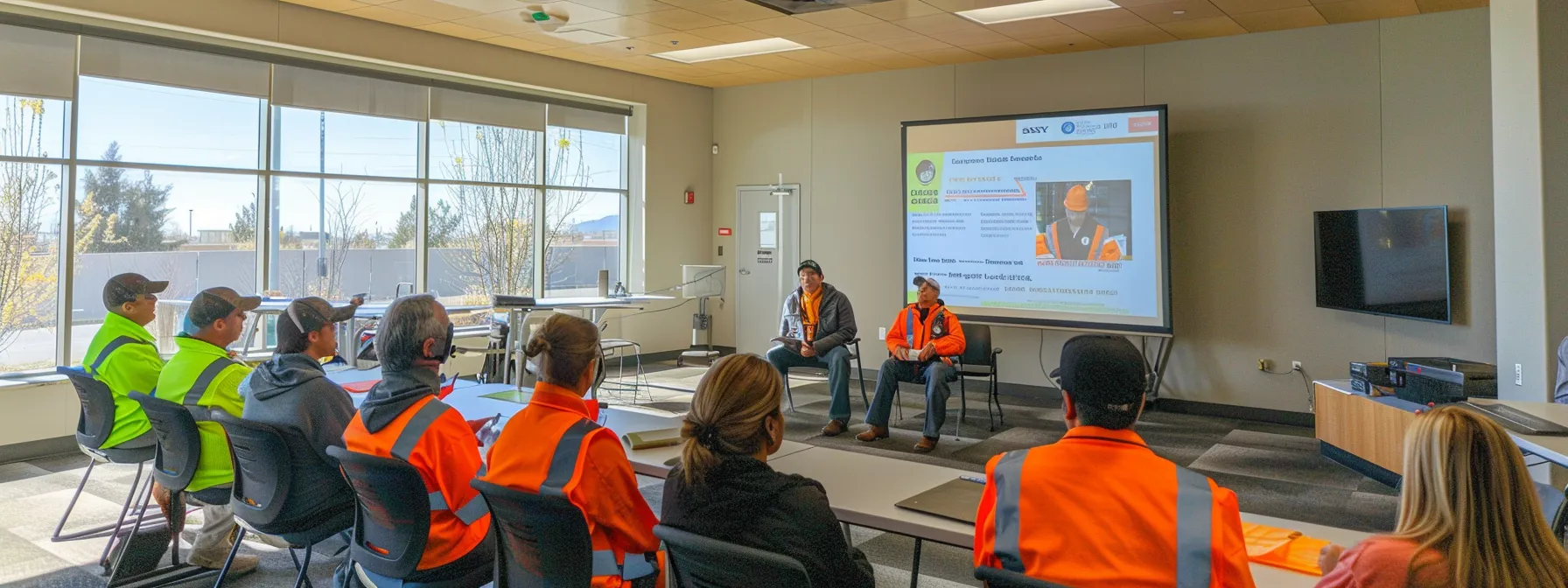
Florida employers must build robust safety programs that limit risks in the workplace. Emphasis on employee training and education ensures that staff face fewer hazards, while regular safety audits confirm regulatory compliance. Each aspect supports workers’ compensation insurance protocols and improves workplace injury prevention, offering practical benefits for all parties involved.
Implementing Effective Safety Programs
Florida employers who implement effective safety programs experience a reduction in workplace injuries and a smoother claims process when handling workers’ compensation cases. Regular safety audits and consistent training sessions ensure that employees understand proper protocols, which in turn minimizes risks and aligns with state regulations.
The program design focuses on creating clear, actionable guidelines to protect staff and maintain a secure work environment. Employers benefit from this approach by reducing operational disruptions and securing reliable coverage under Florida workers’ compensation insurance requirements.
Training and Education for Employees
Florida employers recognize that targeted training programs boost workplace safety by addressing specific hazards and aligning with workers’ compensation requirements:
Employers implementing regular training sessions and refresher courses observe lower incident rates and improved employee confidence. Focused education initiatives ensure staff remain informed about safety protocols and regulatory updates, reducing risks and supporting efficient workers’ compensation procedures.
Importance of Regular Safety Audits
Regular safety audits enable Florida employers to identify potential hazards early and refine workplace practices in line with workers’ compensation insurance standards. This proactive approach helps maintain a secure work environment and minimizes the risk of injury-related disruptions.
Frequent audits offer actionable insights that support compliance with state regulations and safeguard employee well-being. Experts agree that systematic evaluations are essential for identifying weak points and implementing necessary improvements in workplace safety measures.
Resources for Florida Employers

Florida employers gain resources through state support, enhanced training, and online claims tools. This section explains how to access assistance from the Florida Division of Workers’ Compensation, find effective safety programs, and use digital resources to manage claims and policies efficiently. Each topic offers practical insights for better risk management and regulatory compliance.
Accessing Support From the Florida Division of Workers’ Compensation
The Florida Division of Workers’ Compensation offers a centralized portal for employers seeking guidance on compliance and claim management. Employers can access clear guidelines, regulatory updates, and practical tools to support effective workers’ compensation insurance practices.
Employers utilize the Division’s online resources to streamline their internal processes and mitigate risks associated with workplace injuries. The available support helps enhance documentation accuracy and simplifies the resolution of claim procedures in accordance with state standards.
Finding Additional Training and Safety Programs
Florida employers benefit from a wide range of accredited training programs designed to improve workplace safety and refine procedures related to workers’ compensation insurance. These programs offer practical insights, policy updates, and risk management techniques to ensure businesses maintain adherence to state requirements.
Industry experts recommend that employers seek out additional safety courses to reinforce employee education on proper incident reporting and emergency practices. Such training programs equip businesses with actionable knowledge that supports both regulatory compliance and the overall stability of workplace operations.
Utilizing Online Tools for Claims and Policies
Florida employers benefit from using online tools to simplify the management of workers’ compensation insurance claims and policies. These platforms enable efficient submission of injury reports and quick access to regulatory guidelines, helping to maintain compliance with state statutes.
The digital solutions offer clear interfaces that support accurate claim data entry and swift policy adjustments. This method reduces administrative burdens and minimizes errors, ensuring that businesses respond promptly to workplace incidents.
Conclusion
This guide encapsulates the critical role of workers’ compensation insurance in safeguarding both employee welfare and employer interests in Florida. It outlines mandatory coverage, legal standards, and practical steps for filing claims, ensuring a secure and compliant work environment. The content provides actionable insights for assessing risks, refining safety protocols, and maintaining effective claim procedures. Employers benefit from this structured approach, which reinforces stability and fosters a safe operational framework.


Leave a Reply
Want to join the discussion?Feel free to contribute!