
Painting Contractor Insurance Requirements in Florida, Georgia, and Texas: What Every Painting Business Should Know
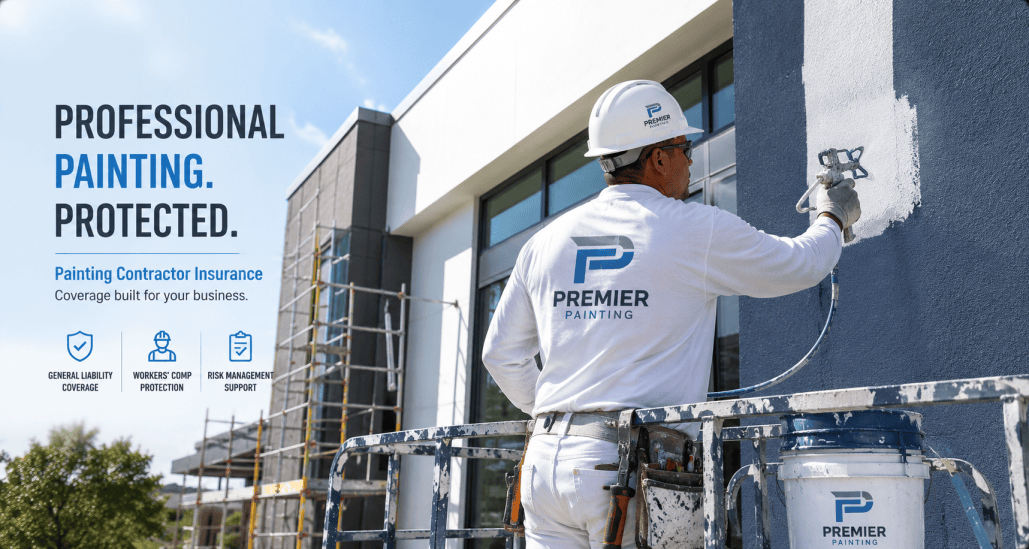
Painting contractors face a wide range of daily risks, whether they specialize in residential repaints, commercial coatings, industrial projects, or specialty finishes. From accidental paint overspray and damaged customer property to third-party injuries on a jobsite, even a single incident can result in costly claims that threaten a business’s financial stability.
As property owners, developers, and general contractors increasingly require proof of insurance before awarding projects, having the right coverage has become a critical component of running a successful painting business. Proper insurance not only helps protect against unexpected losses but also demonstrates professionalism and reliability to potential clients.
For painting contractors operating in Florida, Georgia, and Texas, understanding state-specific licensing considerations, project requirements, and insurance expectations can help ensure compliance while positioning a business for growth.
This guide explains the importance of Painting Contractor General Liability Insurance, common risks painters face, and what painting businesses should know about operating in these three major markets.
Understanding Painting Contractor General Liability Insurance
Painting Contractor General Liability Insurance helps protect painting businesses against financial losses resulting from third-party bodily injury, property damage, and legal claims arising from business operations.
Bodily Injury Coverage
Painting projects often involve ladders, scaffolding, tools, extension cords, and temporary work zones that can create hazards for clients, visitors, and bystanders.
Examples include:
- A homeowner slips on a drop cloth while walking through a work area.
- A visitor is injured near scaffolding on a commercial project.
- A ladder accidentally falls and injures a third party.
General liability coverage can help pay for medical expenses, settlements, and related legal costs associated with covered claims.
Property Damage Coverage
Painting contractors regularly work inside occupied homes, businesses, offices, retail centers, and industrial facilities. Even experienced crews can accidentally cause property damage.
Examples include:
- Paint overspray damaging nearby vehicles.
- Spilled paint ruining hardwood floors or carpeting.
- Damage to furniture, cabinetry, or fixtures during preparation work.
- Surface grinding or sanding causing unintended damage.
Property damage coverage helps pay for repair or replacement costs associated with covered incidents.
Legal Defense Costs
Even when a painting contractor is not at fault, defending against a lawsuit can be expensive.
General liability policies often help cover:
- Attorney fees
- Court costs
- Settlements
- Judgments
Without insurance, legal expenses alone can place a significant financial burden on a painting business.
Completed Operations Coverage
Risks do not end when the project is finished.
Completed operations coverage may provide protection if claims arise after work has been completed.
Examples include:
- Paint failure causing property damage.
- Improper surface preparation resulting in peeling or deterioration.
- Coating defects leading to moisture intrusion and costly repairs.
These claims can surface months after project completion, making completed operations coverage particularly important for painting contractors.
Why Painting Contractors Face Significant Liability Risks
Painting contractors frequently work on customer-owned property, often around valuable assets and occupied spaces.
Several factors contribute to elevated liability exposure:
Working on Client Property
Unlike some trades that operate primarily in new construction environments, painters often work in finished spaces containing expensive furnishings, flooring, artwork, electronics, and fixtures.
Use of Ladders and Scaffolding
Falls, dropped tools, and equipment-related incidents can create risks for workers and third parties alike.
High-Value Residential and Commercial Projects
Luxury homes, office buildings, schools, healthcare facilities, retail centers, and multi-family developments often involve significant financial exposure if property damage occurs.
Property Damage Exposure
Even minor mistakes can result in substantial claims, including:
- Overspray damage
- Chemical spills
- Surface preparation errors
- Accidental structural damage
For these reasons, general liability insurance is commonly required before painters can begin work on residential or commercial projects.
Florida Painting Contractor Requirements
Florida offers substantial opportunities for painting contractors due to ongoing residential development, commercial construction, and property maintenance needs.
Licensing Requirements
Painting contractor licensing requirements may vary depending on:
- Project scope
- Local jurisdictions
- Municipal regulations
- Commercial versus residential work
Many contractors must verify local licensing and permitting requirements before beginning projects.
Residential and Commercial Project Considerations
Certain municipalities may require permits for larger renovation or commercial painting projects, particularly when work involves structural modifications or specialized coatings.
Insurance Requirements Often Requested
Florida property owners, developers, and general contractors frequently require:
- General liability insurance
- Workers’ compensation insurance (when applicable)
- Commercial auto insurance
Proof of coverage is often required before contracts are finalized.
Why Florida Painters Often Carry Higher Liability Limits
Many Florida painting contractors work on projects with elevated insurance requirements, including:
- HOA communities
- Condominium associations
- Multi-family housing developments
- Hotels and resorts
- Commercial office buildings
Additionally, Florida’s coastal environment and hurricane-related property concerns can increase risk exposure, leading many contractors to carry higher liability limits.
Georgia Painting Contractor Requirements
Georgia’s growing construction sector continues to create opportunities for painting contractors across residential and commercial markets.
Business Licensing and Registration Considerations
Painting contractors should ensure compliance with:
- State business registration requirements
- Local licensing obligations
- Municipal permitting requirements
Specific requirements can vary depending on location and project type.
Insurance Expectations in Georgia
Commercial clients and general contractors commonly require proof of insurance before awarding contracts.
Typical requirements may include:
- General liability insurance
- Workers’ compensation coverage
- Commercial auto coverage
- Certificates of Insurance (COIs)
Additional Insured Requirements
Many contracts require the property owner or general contractor to be listed as an Additional Insured.
This requirement provides certain protections under the contractor’s policy and is common on commercial projects.
Contractual Liability Considerations
Contract language frequently transfers risk to subcontractors and specialty contractors. Adequate insurance coverage can help address liability obligations contained within project agreements.
Growing Demand for Commercial Painting Coverage
As Georgia continues to experience growth in commercial development, painting contractors increasingly pursue larger projects involving:
- Office complexes
- Distribution facilities
- Retail centers
- Educational institutions
- Healthcare facilities
These projects often require higher liability limits and extensive proof of insurance documentation.
Texas Painting Contractor Requirements
Texas remains one of the nation’s largest construction markets, creating substantial opportunities for painting contractors.
Business Registration and Licensing Considerations
Although statewide licensing requirements for painting contractors may be limited, businesses should still verify:
- Local licensing requirements
- Permit requirements
- Contractor registration obligations
- Municipal compliance standards
Requirements may vary by city and project type.
Commercial Project Requirements
Commercial property owners and general contractors frequently require contractors to demonstrate adequate insurance coverage before work begins.
Why Insurance Matters in Texas
Texas continues to experience rapid commercial and residential growth, creating a highly competitive bidding environment.
Insurance coverage often serves as a prerequisite for:
- Commercial contracts
- Government projects
- School projects
- Multi-family developments
- Industrial facilities
Property owners increasingly expect contractors to maintain robust insurance programs as part of their risk management standards.
Common Insurance Requirements
Texas painting contractors commonly carry:
- General liability insurance
- Commercial auto insurance
- Workers’ compensation insurance
- Umbrella liability coverage
Higher-value projects frequently require increased liability limits beyond standard policy minimums.
Why Painting Contractors Need General Liability Insurance
Paint Overspray Claims
Paint overspray can travel farther than many contractors anticipate.
Potential damages include:
- Vehicles
- Landscaping
- Neighboring properties
- Outdoor furniture
- Building facades
These claims can quickly become expensive.
Customer Property Damage
Interior painting projects often involve valuable finishes and fixtures.
Examples include:
- Ruined flooring
- Damaged cabinetry
- Broken fixtures
- Stained countertops
- Damaged electronics
General liability insurance can help cover repair or replacement costs associated with covered claims.
Third-Party Injuries
Visitors and customers may be exposed to hazards around active worksites.
Examples include:
- Slip-and-fall accidents
- Ladder incidents
- Trips caused by equipment or cords
- Falling tools or materials
Legal Costs and Settlements
Even relatively minor claims can generate substantial legal expenses.
Without insurance, contractors may face:
- Attorney fees
- Expert witness expenses
- Court costs
- Settlement payments
Completed Operations Claims
Some of the most expensive claims arise after a project is complete.
Examples include:
- Peeling paint due to improper preparation
- Coating failures
- Water intrusion resulting from improper application
- Premature deterioration requiring extensive repairs
Completed operations coverage helps provide long-term protection against these risks.

How Insurance Helps Win More Work
Meet Contract Requirements
Many residential and commercial clients require proof of insurance before work begins.
Maintaining proper coverage helps contractors satisfy contract requirements and avoid delays.
Qualify for Larger Commercial Projects
Many larger projects require contractors to carry minimum liability limits.
Examples include:
- Schools
- Office buildings
- Retail centers
- Government facilities
- Apartment complexes
- Multi-family developments
Adequate insurance can open doors to higher-value opportunities.
Build Trust with Property Owners
Insurance demonstrates professionalism and financial responsibility.
Property owners often prefer insured contractors because coverage provides reassurance if unexpected incidents occur.
Protect Business Reputation
Unexpected accidents happen in every industry.
Insurance allows painting contractors to resolve claims efficiently while preserving client relationships and maintaining their reputation in the marketplace.
Why Choose Single Source Insurance
Painting contractors need an insurance partner that understands the unique risks associated with residential and commercial painting operations.
Industry Expertise
Single Source Insurance understands the liability exposures painters face every day, from property damage claims to contractual insurance requirements.
Customized Coverage Solutions
Coverage can be tailored for:
- Residential painters
- Commercial painting contractors
- Painting subcontractors
- Multi-state painting businesses
- Specialty coating contractors
Fast Certificate Issuance
Many projects require proof of insurance before work can begin.
Single Source Insurance helps contractors obtain Certificates of Insurance (COIs) quickly to meet bid and contract deadlines.
Competitive Rates
Contractors can access affordable coverage options without sacrificing important protections.
Multi-State Contractor Support
For painting businesses operating across Florida, Georgia, and Texas, Single Source Insurance provides guidance and coverage solutions designed to support multi-state operations.
Conclusion
Painting contractors face a wide range of liability risks, from accidental property damage and third-party injuries to completed operations claims that emerge after a project is finished. General liability insurance plays a critical role in protecting painting businesses against these exposures while helping contractors meet project requirements and compete for larger opportunities.
Whether operating in Florida, Georgia, or Texas, maintaining the appropriate insurance coverage can help protect your business, strengthen client confidence, and support long-term growth.
Get a Customized Painting Contractor Insurance Quote
Whether you’re a residential painter, commercial painting contractor, or painting company operating in Florida, Georgia, or Texas, Single Source Insurance can help you secure the right Contractor General Liability coverage to protect your business and satisfy project requirements.
Contact our team today for a customized quote and learn how the right insurance program can help your painting business grow with confidence.
FAQ: Painting Contractor Insurance
1. Is general liability insurance required for painting contractors?
While general liability insurance may not always be mandated by state law, many clients, property managers, general contractors, and commercial project owners require proof of coverage before work begins. General liability insurance helps protect painting contractors from claims involving bodily injury, property damage, and legal expenses.
2. How much general liability insurance does a painting contractor need?
Coverage requirements vary depending on the size and type of projects you perform. Many painting contractors carry at least $1 million per occurrence and $2 million aggregate in general liability coverage, while larger commercial projects may require higher limits or umbrella policies.
3. Does painting contractor insurance cover accidental damage to a customer’s property?
Yes, general liability insurance typically helps cover accidental property damage caused during painting operations. This may include damage to flooring, furniture, fixtures, landscaping, vehicles, or other property resulting from your work.
4. What types of insurance should a painting business consider in addition to general liability coverage?
In addition to general liability insurance, many painting contractors also carry:
- Workers’ compensation insurance
- Commercial auto insurance
- Tools and equipment coverage
- Umbrella liability insurance
- Inland marine coverage for transported equipment
The right combination of policies depends on your business size, services offered, and contractual requirements.
5. Why do commercial painting contractors often need proof of insurance?
Commercial property owners, developers, and general contractors frequently require certificates of insurance before awarding contracts or allowing work to begin. Having proper insurance coverage helps demonstrate professionalism, financial responsibility, and compliance with project requirements, making it easier to qualify for larger and more profitable jobs.


