Short term vs long term disability insurance is a comparison most people make when they open a benefits packet or start shopping for income protection. Both types can replace part of your paycheck if an illness or injury keeps you from working. The core difference is timing: when benefits can start and how long they can last. The details, including the waiting period, benefit amount and definition of disability, are set by each policy.

Two of our earlier guides cover each type on its own. This one puts them side by side, explains when it can make sense to carry both, and walks through how private coverage lines up with employer benefits and Social Security. For coverage options, visit the Single Source personal disability insurance page.

What is the difference between short-term and long-term disability insurance?

Short-term disability insurance covers a temporary absence from work. It usually starts after a short waiting period and pays for a limited time, often weeks or months. Long-term disability insurance covers a longer disability. It typically has a longer waiting period, and benefits may continue for years or to an age stated in the policy.

Short term vs long term disability insurance: side-by-side

The table below shows how the two types usually differ. Treat it as a guide to what to look for, not a description of any one plan. Your policy documents set the actual terms.

Feature Short-term disability Long-term disability
Main purpose Replace income during a temporary absence Replace income during an extended disability
Waiting (elimination) period Generally shorter Generally longer, often timed to start after short-term benefits end
Benefit period Limited, often weeks or months Longer, sometimes years or to a stated age
Definition of disability Usually tied to your ability to do your own job May start with your own job and later shift to any job you are reasonably suited for
Offsets and reductions May coordinate with other benefits, per the policy Often reduced by other income, such as Social Security disability benefits
Typical sources Employer group plans, individual policies Employer group plans, individual policies

For a closer look at one side of the table, see our guides to how short-term disability insurance works in Florida and long-term disability benefits and how payments work.

Where the two types differ most

Three terms do most of the work when you compare short-term vs. long-term disability insurance. Reading them closely tells you more than the plan name does.

Waiting period

The waiting period, sometimes called the elimination period, is the stretch of time you must be disabled before benefits can begin. Short-term plans tend to use a brief one. Long-term plans tend to use a longer one, and in many employer packages the long-term waiting period is set so that it ends around the time short-term benefits run out. Check the exact number of days in each document rather than assuming they line up.

Benefit period

The benefit period is the maximum length of time a policy will pay for a covered disability. This is where the two types separate most clearly. A short-term plan is meant to carry you through recovery from something like surgery or an injury. A long-term plan is meant for a disability that keeps you out of work far longer. The contract states the limit, and two long-term policies can have very different ones.

Definition of disability

Policies define disability in different ways. An “own occupation” definition looks at whether you can do the main duties of your own job. An “any occupation” definition looks at whether you can do any job that fits your education, training and experience. Some long-term policies use the first definition for a set period and then switch to the second. That change can decide whether benefits continue, so it is worth finding in the policy before you need it.

Do you need both short-term and long-term disability insurance?

Many people carry both because they cover different stretches of the same problem. Short-term coverage helps during the early weeks or months of a disability. Long-term coverage can pick up if it continues. The need for both depends on your savings, your existing benefits and how long your household could manage without your income.

A few situations where having both can make sense:

  • Little emergency savings. If a few weeks without pay would strain your budget, short-term coverage can bridge the gap while the long-term waiting period runs.
  • A household that depends on your income. Long-term coverage protects against the less likely but more costly event of a disability that lasts.
  • Self-employed or no employer plan. Without group benefits, any disability coverage you have is coverage you buy yourself, so it pays to look at how the pieces fit.

Some people choose only long-term coverage and plan to use savings for shorter absences. Others have short-term coverage through work and nothing for a longer disability. Neither approach is right for everyone. The gap to watch for is the second one, because a long disability is where lost income adds up.

How disability coverage coordinates with employer benefits

Florida does not run a state short-term disability program, so disability income coverage here generally comes from an employer group plan, an individual policy, or both. If you have more than one source, the way they interact matters as much as the coverage amounts.

Employer group plans

Employers may offer short-term disability, long-term disability, or both as part of a benefits package. Group coverage is convenient, but the benefit amount may be capped, and the coverage usually ends if you leave the job. Some employers pay the premium, some offer the coverage as a voluntary benefit employees pay for, and some split the cost. Business owners comparing options for a team can learn about employee ancillary insurance, which can include disability coverage.

Individual policies

An individual policy belongs to you, not your employer, so it can stay with you if you change jobs. People often use one to fill in where group coverage stops, either because the group benefit is capped or because there is no long-term plan at work. When you add an individual policy, ask the insurer whether it will be reduced by group benefits you already have.

Offsets and Social Security

Many long-term disability policies include offset provisions. An offset reduces what the policy pays when you receive other disability income, which can include Social Security Disability Insurance (SSDI). Some policies also require you to apply for SSDI. SSDI is a federal program with its own medical and work-history rules, explained on the Social Security Administration’s disability eligibility page. Having a private policy does not establish SSDI eligibility, and an SSDI decision does not determine what a private policy pays.

Tax treatment of disability benefits can depend on who paid the premiums and how. Ask a tax professional how it applies to your coverage.

What affects the cost of disability insurance?

There is no standard price for short-term or long-term disability insurance. Insurers set premiums based on the applicant and the policy design, and the same choices that shape the benefit also shape the cost. A richer benefit generally means a higher premium. Common factors include:

  • Age and health: younger, healthier applicants generally pay less.
  • Occupation: jobs with more physical risk usually cost more to insure.
  • Income and benefit amount: a higher monthly benefit costs more.
  • Waiting period: a longer waiting period usually lowers the premium.
  • Benefit period: a longer benefit period usually raises it.
  • Definition of disability: an own-occupation definition typically costs more than an any-occupation definition.
  • Riders: added features, such as cost-of-living adjustments, can change the premium.
  • Group or individual: employer group rates are set differently from individual policy rates.

When you weigh short term vs long term disability insurance on cost alone, remember that each covers a different risk. Adjusting the waiting period is one of the most common ways people balance short-term and long-term costs. If you have savings or short-term coverage to carry you through the early months, a longer long-term waiting period may be worth pricing.

Questions to ask when comparing short term vs long term disability insurance

  1. How long is the waiting period on each plan, and do they line up?
  2. What is the maximum benefit period for each?
  3. How does each policy define disability, and does that definition change over time?
  4. How is the benefit calculated, and is there a monthly cap?
  5. Which other income, such as SSDI or another policy, reduces the benefit?
  6. Are pre-existing conditions excluded or limited, and for how long?
  7. Does group coverage end if I leave my job, and can it be converted to an individual policy?
  8. Is the agent licensed in Florida?

Frequently asked questions

Which is better, short-term or long-term disability insurance?

Neither is better in every case. Short-term coverage helps with temporary absences. Long-term coverage protects against a disability that lasts much longer, which is usually the bigger financial risk. Many people use both so one picks up where the other ends.

Does long-term disability start after short-term disability ends?

In many employer packages, the long-term waiting period is set to end around the time short-term benefits stop. That is a design choice, not a rule. Check both policies to confirm the timing and look for any gap between them.

Can I have disability insurance through work and an individual policy?

Yes, many people do. An individual policy can fill in where a group plan is capped or ends. Ask whether either policy reduces its benefit because of the other before you assume they will add together.

Does short-term disability cover pregnancy?

Some short-term plans treat recovery from childbirth as a covered disability. Coverage and any waiting rules depend on the plan, so read the policy or ask your benefits administrator before you need it.

Is disability insurance the same as Social Security disability?

No. Private disability insurance pays according to the policy contract. SSDI is a separate federal program with its own medical and work-history requirements. A private long-term policy may reduce its benefit if you receive SSDI.

Can I buy disability insurance if I am self-employed?

Yes. Individual disability policies are available to self-employed people. Because there is no employer plan to fall back on, compare the waiting period, benefit period and definition of disability carefully.

Compare disability coverage for your situation

The clearest way to settle short-term vs. long-term disability insurance is to look at actual policy terms next to your savings, your employer benefits and your budget. Learn more about short-term and long-term disability insurance options from Single Source Insurance, or request a quote to review coverage that fits.

This article is general information, not legal, tax or benefits advice. Policy terms vary by insurer; the policy contract controls.


Term vs. whole life insurance is one of the first choices people face when they shop for life coverage in Florida. Both types pay a death benefit to the people you name, but they are built for different jobs. Term life covers a set number of years. Whole life is designed to last for your entire life and builds cash value along the way. Knowing how each one works makes it easier to match a policy to what you actually need to protect.

This guide explains the differences, what affects the cost of each, and the questions worth asking before you sign. For coverage options, visit the Single Source personal life insurance page.

What is the difference between term and whole life insurance?

Term life insurance covers you for a fixed period, such as 10, 20 or 30 years, and pays a death benefit only if you die during that term. Whole life insurance is permanent coverage meant to last your lifetime, usually with level premiums and a cash value that grows over time. Term is generally the lower-cost option for the same amount of coverage.

How term life insurance works

With a term policy, you choose a coverage amount and a length of time. As long as premiums are paid, the insurer pays the death benefit to your beneficiaries if you die within the term. If you outlive it, the coverage ends and there is no payout or cash value to collect.

That simplicity is the point. Term coverage is often used to protect obligations that have an end date:

  • the years left on a mortgage
  • the years until children are grown or through school
  • the working years when a family depends on your income
  • a business loan or other debt that will eventually be paid off

Many term policies have premiums that stay level for the length of the term. Some can be renewed when the term ends, usually at a higher rate based on your age at that time. Others include a conversion option that lets you change all or part of the coverage to a permanent policy without new medical underwriting, within the window the contract allows. If you think your needs may become permanent later, ask whether a policy is convertible and until when.

How whole life insurance works

Whole life insurance is a type of permanent, or cash value, life insurance. Coverage is designed to stay in force for your entire life as long as the required premiums are paid, so the death benefit is expected to be paid whenever you die rather than only within a set window.

Part of each premium goes toward a cash value that grows over time on a basis set out in the contract. Some whole life policies may also pay dividends, though dividends are generally not guaranteed. Policyholders can usually borrow against the cash value or surrender the policy for it, but both have trade-offs:

  • Policy loans accrue interest, and any unpaid loan balance is typically subtracted from the death benefit.
  • Surrendering the policy ends the coverage, and surrender charges may apply, especially in the early years.
  • Cash value grows slowly at first, so a whole life policy is usually considered a long-term commitment.

Tax treatment of cash value, loans and surrenders depends on the policy and your situation, so ask a tax professional before relying on a policy as part of a financial plan.

Term vs. whole life insurance: side-by-side

Feature Term life Whole life
How long coverage lasts A set term, such as 10, 20 or 30 years Your entire life, if premiums are paid
Cash value None Builds over time, per the contract
Premiums Generally lower for the same death benefit Generally higher, usually level for life
If you outlive the policy Coverage ends with no payout Not applicable; coverage is permanent
Flexibility Simple; may be renewable or convertible Policy loans and surrender options, with trade-offs
Typical use Temporary needs like income replacement or a mortgage Lifelong needs like final expenses or estate planning

What affects the cost of term vs. whole life insurance?

There is no single price for either type. Insurers set premiums based on the applicant and the coverage requested. Common factors include:

  • Age: premiums are generally lower the younger you are when you buy.
  • Health: medical history, current conditions and, for many policies, a medical exam or health questions.
  • Tobacco use: smokers and other tobacco users typically pay more.
  • Coverage amount: a larger death benefit costs more.
  • Policy type and length: a longer term costs more than a shorter one, and permanent coverage costs more than term for the same death benefit.
  • Riders: added features such as a waiver of premium or accelerated death benefit can change the premium.
  • Occupation and activities: some jobs and hobbies are considered higher risk.

The difference in cost is the main reason many people start with term coverage. Whole life costs more because it is built to last a lifetime and includes the cash value component. The right comparison is a quote for your age, health and coverage amount, not a general average.

Which type of life insurance fits your needs?

A practical way to decide is to ask how long the need will last.

Term life may fit when the need is temporary

If the goal is to replace income while children are young, pay off a mortgage, or cover a debt that will eventually go away, term coverage is built for that window. It lets many households buy a larger death benefit for a lower premium during the years they need protection most.

Whole life may fit when the need is permanent

Some needs do not end. Final expenses, support for a dependent who will need care for life, or leaving money to heirs are examples. Whole life may also appeal to people who want level premiums for life and a cash value they can access, and who are comfortable with the higher cost and long-term commitment.

Some people use both

Combining a smaller whole life policy for lifelong needs with a larger term policy for the working years is a common approach. Another option is a convertible term policy, which keeps the door open to permanent coverage later. Universal life is a third category of permanent insurance with more flexible premiums; it works differently from whole life, so compare the policy illustrations carefully if it comes up.

Questions to ask before you buy life insurance in Florida

  • How much coverage would my family need, and for how many years?
  • If this is term coverage, is it renewable or convertible, and until what age?
  • For whole life, which values are guaranteed and which depend on dividends or other non-guaranteed elements?
  • What happens if I miss a premium payment or want to stop paying later?
  • Are there surrender charges, and for how many years?
  • Which riders are included, and which cost extra?
  • How long is the free-look period, during which I can review the policy and cancel?
  • Is the agent licensed in Florida?

Florida’s Office of the Insurance Consumer Advocate publishes consumer materials on health and life insurance, and the National Association of Insurance Commissioners publishes a Life Insurance Buyer’s Guide that explains the main policy types. Both are worth reading alongside any policy you are considering.

Frequently asked questions

Is term or whole life insurance better?

Neither is better in every case. Term life usually fits temporary needs such as income replacement or a mortgage, at a lower premium. Whole life fits needs that last a lifetime and adds cash value, at a higher premium. The right choice depends on how long you need coverage and your budget.

What happens when a term life policy ends?

If you outlive the term, coverage stops and no benefit is paid. Depending on the policy, you may be able to renew it at a higher premium, convert it to permanent coverage within the allowed window, or apply for a new policy.

Can I convert term life insurance to whole life?

Many term policies include a conversion option, but not all. Where it is available, it usually must be used before a certain age or policy year. Check the conversion terms in the contract before you buy.

Does whole life insurance build cash value?

Yes. A portion of each premium goes to a cash value that grows over time as described in the contract. You may be able to borrow against it or surrender the policy for it, though loans reduce the death benefit if unpaid and surrenders end the coverage.

Do I need a medical exam for life insurance?

It depends on the insurer, the policy and the coverage amount. Some policies require an exam, some use health questions and records, and some simplified policies ask fewer questions, often at a higher cost per dollar of coverage.

Does life insurance through work replace a personal policy?

Group life coverage through an employer can help, but the amount may be limited and the coverage may end if you leave the job. Many people keep a personal policy as well. Business owners can learn about employee life insurance for their employees.

Compare term and whole life coverage

A useful way to choose between term and whole life insurance is to compare actual quotes for the same coverage amount, side by side. Learn more about term and whole life insurance options from Single Source Insurance, or request a quote to review policies for your situation.

This article is general information, not legal, tax or financial advice. Policy terms vary by insurer; the policy contract controls.

Long-term disability insurance is designed to replace part of a person’s income if a covered illness or injury prevents them from working for an extended period. It can help with regular expenses, but the amount and length of a benefit depend on the policy.

Long-Term Disability Benefits

How Long-Term Disability Benefits Work

A policy usually describes a waiting period before benefits can begin, a monthly benefit limit, a maximum benefit period, and a definition of disability. Some policies first assess whether you can do your own job, then may use a different test later. Read the contract to see which definition applies and when.

If a claim is approved, the insurer pays according to the policy terms. The benefit may be affected by income from other sources if the contract includes offsets. Premiums, exclusions, and evidence required for a claim also vary.

What Affects Cost?

There is no universal price. An insurer may consider the applicant’s age, occupation, income, health history, selected benefit, waiting period, benefit duration, and policy design. A quote should be based on the actual applicant and coverage requested, not a generic percentage.

Questions to Ask Before Choosing

  • What is the waiting period?
  • How does the policy define disability, and when can that definition change?
  • How much income could the policy replace, subject to its limits?
  • For how long could a benefit be paid?
  • Do employer benefits, Social Security, or other payments affect it?
  • What exclusions, limits, or claim documentation requirements apply?

Long-term disability coverage is not the same as Social Security Disability Insurance. SSDI has federal eligibility rules, including disability and work-history requirements. A private policy uses its own contract. To compare coverage options, visit the Single Source Disability Insurance page.

Frequently Asked Questions

What does long-term disability insurance cover?

Long-term disability insurance can replace part of your income if a covered illness or injury keeps you from working for an extended period. What counts as a covered disability, and what is excluded, depends on the policy contract.

How long is the waiting period before benefits start?

Every policy sets its own waiting period, sometimes called an elimination period. This is the stretch of time you must be disabled before benefits begin. A longer waiting period may lower the premium, but it means relying on savings or other coverage for longer.

How much of my income will long-term disability insurance replace?

The policy states a monthly benefit amount or limit. The amount you receive may also be reduced by other income, such as employer benefits or Social Security, if the contract includes offsets. Review the benefit and offset terms before you buy.

How long will long-term disability benefits be paid?

Payments continue up to the maximum benefit period in the policy, as long as you still meet its definition of disability. Benefit periods vary, so compare this detail closely between quotes.

Is long-term disability insurance the same as Social Security Disability Insurance (SSDI)?

No. SSDI is a federal program with its own eligibility rules, including disability and work-history requirements. A private long-term disability policy is governed by its own contract terms, so you could qualify for one without qualifying for the other.

Do I need my own policy if my employer offers disability coverage?

It depends on what the employer plan provides. Check its benefit limits, benefit period, and definition of disability, and whether coverage ends if you leave the job. An individual policy can help fill gaps a group plan doesn’t cover.

How can I get a long-term disability insurance quote in Florida?

A quote is based on your age, occupation, income, health history, and the coverage you choose. Contact Single Source Insurance to compare long-term disability options with a licensed Florida agent.

An unexpected illness, injury, pregnancy, or recovery period can make it difficult
to work and maintain your regular income. Short-term disability insurance in Florida
may help protect your finances by replacing a portion of your earnings when a
qualifying medical condition temporarily prevents you from working.

A short-term disability policy establishes when benefit payments can begin,
how much income may be replaced, and how long benefits may continue.
These terms vary by insurance provider and individual policy.
Understanding your coverage before you need it can help you make
informed decisions about protecting your income.


Short-Term Disability Insurance in Florida How It Works


What Is Short-Term Disability Insurance?

Short-term disability insurance is a type of income protection designed
to provide temporary financial support when a covered illness,
injury, pregnancy-related condition, or recovery period prevents you
from performing your work duties.

Unlike traditional health insurance, which helps cover eligible
medical expenses, disability insurance focuses on replacing
a portion of lost income. Depending on your policy, benefits
may help you manage everyday financial responsibilities,
including housing, utilities, groceries, and other essential expenses.

Learn more about available options through

Single Source Insurance’s Disability Insurance services
.

Is There a Florida State Short-Term Disability Plan?

Florida does not operate a general state-mandated short-term disability
insurance program for private-sector employees.
Many residents instead explore employer-sponsored disability benefits
or individual disability insurance policies.

However, certain eligible Florida state employees may qualify
for disability income benefits through specific state employee
benefit programs. These should not be confused with
a universal disability insurance program available to all workers.

Federal disability programs may also provide assistance to
qualifying individuals, although their eligibility requirements
and benefit structures differ from private short-term
disability insurance.

For official information about disability benefit determinations,
visit the

Florida Department of Health’s Disability Determinations page
.

It is important not to assume that government benefits work
the same way as private disability insurance. Each program
or policy has its own eligibility rules, benefit limitations,
and application procedures.

What to Check in a Short-Term Disability Insurance Policy

Before selecting short-term disability insurance in Florida,
carefully review the policy document rather than relying
only on advertised benefit amounts.

1. Waiting Period

The waiting period, sometimes called the elimination period,
determines how long you must meet the policy’s disability
requirements before benefit payments may begin.
Different policies may have different waiting periods.

2. Benefit Amount

Disability insurance typically replaces a portion of your
regular income rather than your entire paycheck.
The actual payment depends on the policy’s benefit
percentage, maximum limits, and other applicable provisions.

3. Benefit Period

The benefit period determines how long payments may continue
during a qualifying disability. Some policies provide
benefits for several weeks, while others may extend
coverage for several months or longer.

4. Definition of Disability and Exclusions

Each policy defines what qualifies as a covered disability.
Some policies may require that you be unable to perform
your regular occupation, while others apply different
standards or restrictions.

Review exclusions, limitations, pre-existing condition
provisions, and medical documentation requirements carefully.

5. Coordination With Other Benefits

Payments from employer-sponsored benefits, workers’
compensation, or other income sources may affect
the amount payable under certain disability insurance policies.

If you receive disability insurance through your employer,
ask whether the coverage can continue after changing jobs
and whether premiums are paid by you, your employer,
or both.

Short-Term vs. Long-Term Disability Insurance

Short-term and long-term disability insurance both provide
income protection, but they are designed for different
periods of disability.

Short-Term Disability Insurance

Short-term coverage is designed for temporary periods
when a qualifying medical condition prevents you from working.
It generally provides benefits for a limited period,
subject to the policy’s waiting period and benefit duration.

Long-Term Disability Insurance

Long-term disability insurance is intended to provide
income protection during extended periods of disability.
These policies generally have longer waiting periods
and may provide benefits for several years or another
period established by the contract.

Some individuals maintain both types of coverage,
while others rely on employer benefits, personal savings,
or individual insurance policies.
The appropriate arrangement depends on your financial
responsibilities, employment situation, and coverage needs.

Frequently Asked Questions About Short-Term Disability Insurance in Florida

1. Is There a State Short-Term Disability Insurance Program in Florida?

Florida does not provide a general state-administered
short-term disability insurance program for all private-sector
employees. Most individuals explore employer-sponsored
benefits or privately purchased policies.
Certain eligible state employees may have access to
separate disability income programs.

2. How Much Does Short-Term Disability Insurance Pay in Florida?

Many short-term disability policies replace approximately
50% to 70% of an employee’s regular income, although
the actual percentage varies by policy.
Payment limits, benefit offsets, and other contractual
provisions may affect the final amount received.

3. How Long Does Short-Term Disability Insurance Last?

Short-term disability benefits commonly last from several
weeks to several months, with some policies providing
benefits for up to 26 weeks or longer.
The maximum benefit period depends on the specific
insurance contract and the nature of the qualifying disability.

4. Does Short-Term Disability Insurance Cover Pregnancy and Maternity Leave?

Some short-term disability policies cover qualifying
periods of disability associated with pregnancy,
childbirth, and medically necessary recovery.
However, coverage depends on the policy’s terms,
exclusions, effective date, and waiting periods.
Routine parental leave without a qualifying disability
may not be covered.

5. What Is the Difference Between Short-Term and Long-Term Disability Insurance?

Short-term disability insurance provides temporary
income replacement during qualifying illnesses,
injuries, or recovery periods.
Long-term disability insurance is designed for
extended disabilities and generally has a longer
waiting period and potentially longer benefit duration.
The right combination depends on individual financial
needs and existing insurance benefits.

Explore Disability Insurance Options With Single Source Insurance

Choosing disability insurance involves more than comparing
monthly benefit amounts. Understanding waiting periods,
exclusions, benefit durations, and coordination provisions
can help you select coverage that fits your financial needs.

At

Single Source Insurance
,
our team helps Florida individuals and families explore
income protection options and understand the differences
between available short-term and long-term disability policies.

Whether you are reviewing employer-sponsored benefits
or considering individual coverage, an experienced
insurance professional can help explain the policy
terms and available options.


Explore Disability Insurance Options With Single Source Insurance

Contact our team to discuss your income protection needs
and review coverage options available in Florida.

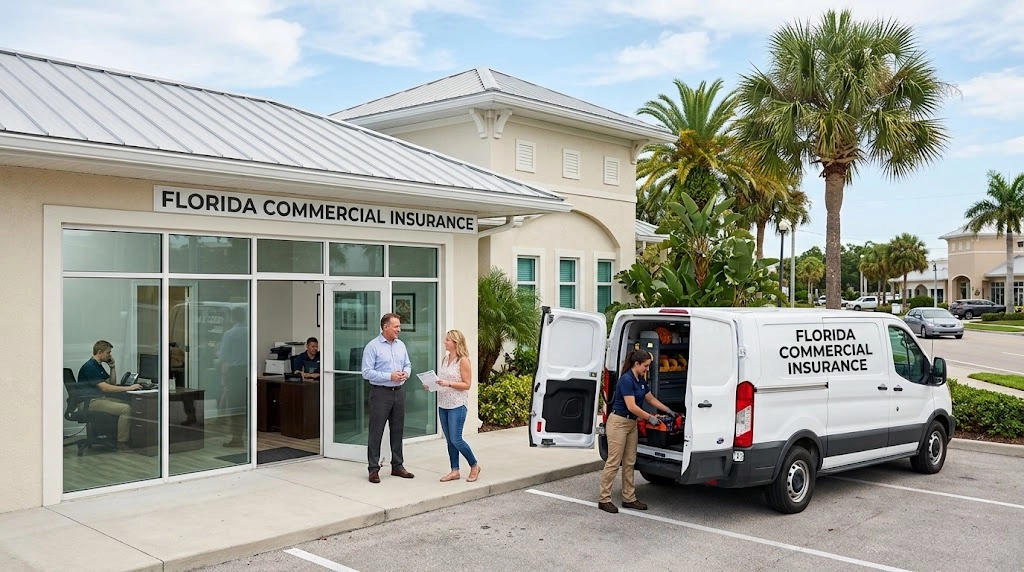
Florida commercial insurance helps businesses manage financial risks associated with property damage, liability claims, vehicles, employees, and other business operations. Because every company has different exposures, commercial insurance typically consists of multiple types of coverage selected according to the business’s industry, size, property, employees, and activities.

For Florida business owners, understanding the basics of commercial insurance is an important first step toward identifying potential risks and coverage gaps.


Florida Commercial Insurance

What Is Commercial Insurance?

Commercial insurance, also called business insurance, is a broad category of insurance designed for businesses rather than individuals.

A business may face financial losses from events such as property damage, accidents involving customers, vehicle crashes, employee injuries, or other covered incidents. Commercial insurance can transfer certain risks to an insurance company according to the terms of the policy.

There is no single commercial insurance policy that is appropriate for every Florida company. A small retail store, construction contractor, professional office, restaurant, and automotive business can all have very different exposures.

For this reason, businesses often use a combination of policies or coverages.

Common Types of Commercial Insurance in Florida

Understanding the major types of business insurance can make it easier to determine which coverages may be relevant to your company.

General Liability Insurance

Commercial general liability insurance can help protect a business from certain claims involving bodily injury, property damage, and other covered liabilities.

For example, if a customer is injured on business premises and alleges that the company is responsible, general liability coverage may respond to an eligible claim, subject to the policy’s terms and limits.

Businesses that interact with customers, vendors, or the public should consider their liability exposure carefully.

Commercial Property Insurance

Businesses often depend on buildings, inventory, equipment, furniture, and other physical property to operate.

Commercial property insurance is designed to protect eligible business property against certain covered causes of loss.

Florida businesses should pay particular attention to policy terms involving wind, storms, water damage, deductibles, exclusions, and other property risks. Not every type of weather-related damage is automatically covered by a standard commercial property policy.

Commercial Auto Insurance

Personal auto insurance generally is not designed to address all risks associated with business vehicle use.

Commercial auto insurance can provide coverage for vehicles used in business operations. Depending on the policy, coverage may include liability, physical damage, and other protections.

Businesses should consider who drives company vehicles, how those vehicles are used, where they travel, and whether employees use personal or rented vehicles for business purposes.

Workers’ Compensation Insurance

Workers’ compensation insurance is designed to provide eligible benefits when employees experience qualifying work-related injuries or illnesses.

Florida has workers’ compensation requirements that vary based on factors such as industry and number of employees. Construction businesses, in particular, can face different requirements from many non-construction businesses.

Because legal requirements can change and exceptions may apply, employers should verify their current obligations with the appropriate Florida authorities or a qualified professional.

Other Types of Business Insurance

Depending on its operations, a Florida business may also consider coverage such as:

  • Professional liability insurance
  • Cyber liability insurance
  • Business interruption coverage
  • Inland marine insurance
  • Equipment breakdown coverage
  • Employment practices liability insurance
  • Umbrella or excess liability coverage
  • Specialized industry-specific insurance

The appropriate combination depends on the risks associated with the individual business.

What Risks Should Florida Businesses Consider?

Location can have a major influence on commercial insurance needs.

Florida businesses may need to consider exposure to hurricanes, windstorms, flooding, heavy rain, and other severe weather events in addition to ordinary business risks.

However, business owners should not assume that every weather-related loss is covered by a standard property policy.

Flooding is an important example. Flood coverage may need to be obtained separately depending on the business and insurance arrangement. Windstorm and hurricane-related provisions, exclusions, and deductibles should also be carefully reviewed.

Risk is not limited to weather.

A restaurant may be concerned about customer injuries and equipment failure. A contractor may have risks involving employees, job sites, vehicles, and expensive tools. A professional firm may be more concerned about allegations involving its services or cyber incidents.

The first question should therefore be: What could create a significant financial loss for this particular business?

How Do You Choose Commercial Insurance in Florida?

Start by identifying your company’s major assets and exposures.

Consider your property, employees, vehicles, customers, equipment, contracts, technology, locations, and services. Then determine which risks could create significant financial consequences.

When comparing commercial insurance, look beyond the premium. Review:

  • Coverage limits
  • Deductibles
  • Exclusions
  • Policy conditions
  • Optional endorsements
  • Carrier requirements
  • Claims considerations
  • Business-specific exposures

Businesses should also review insurance requirements contained in leases, financing agreements, customer contracts, and licensing arrangements.

Working with an independent insurance agency can help a business compare available coverage from multiple insurance carriers rather than relying on a single option.

Frequently Asked Questions About Florida Commercial Insurance

What is commercial insurance in Florida?

Commercial insurance is a category of insurance designed to protect businesses against certain financial risks. Coverage can include general liability, commercial property, commercial auto, workers’ compensation, professional liability, and other business insurance products.

Does every Florida business need commercial insurance?

Insurance requirements depend on factors such as the type of business, employees, vehicles, contracts, licenses, and industry. Even when a particular policy is not legally required, businesses may choose coverage to manage financial risks.

Does Florida commercial insurance cover hurricanes?

Coverage depends on the specific policy. Florida businesses should carefully review property coverage, exclusions, wind or hurricane provisions, and applicable deductibles rather than assuming all hurricane-related losses are covered.

Does commercial property insurance cover flooding?

Businesses should not assume standard commercial property insurance covers flood losses. Separate flood coverage may be needed depending on the policy and risk.

How much commercial insurance does a Florida business need?

There is no universal coverage amount. Appropriate limits depend on the business’s assets, operations, contracts, employees, vehicles, liability exposure, and potential financial losses.

How often should a business review its insurance?

Businesses should consider reviewing coverage periodically and whenever significant changes occur, such as hiring employees, buying vehicles, moving locations, purchasing equipment, signing major contracts, or expanding services.

Understanding Your Florida Commercial Insurance Needs

Florida commercial insurance is not simply about purchasing a standard policy. It is about identifying the risks that could affect your business and determining which insurance solutions may help manage those exposures.

From general liability and commercial property to commercial auto and workers’ compensation, different policies address different risks. Florida businesses should also carefully consider weather, property, contractual, and industry-specific exposures.

If you want to explore coverage after learning the basics, Single Source Insurance can help Florida businesses evaluate commercial insurance options based on their individual operations and needs.

Personal insurance is a broad category of insurance designed to help individuals and families protect their property, finances, and personal liabilities from certain unexpected losses. It can include auto, homeowners, condo, motorcycle, boat, flood, and umbrella insurance, with each policy addressing different types of risks.

Understanding these different policies can make it easier to decide which types of protection may be appropriate for your situation.

what is personal insurance

How Does Personal Insurance Work?

Personal insurance transfers certain financial risks from an individual to an insurance company according to the terms of an insurance policy.

You generally pay a premium for coverage. If a covered event occurs, you can file a claim with the insurer. The insurer determines whether the loss is covered based on your policy’s terms, limits, deductibles, conditions, and exclusions.

For example, someone might have separate policies covering a home, vehicle, and boat. Each policy serves a different purpose and responds to specific types of covered losses.

This is why it is important to understand what each policy covers rather than assuming that one form of personal insurance protects everything you own.

What Are the Main Types of Personal Insurance?

There are many forms of personal insurance. The coverage you may need depends on factors such as what you own, where you live, how you use your property, and your potential liability exposure.

Here are some of the most common types.

Auto Insurance

Auto insurance provides financial protection related to vehicles and certain accidents or losses.

Depending on the policy and coverage selected, auto insurance may include liability coverage, personal injury protection, collision coverage, comprehensive coverage, uninsured or underinsured motorist coverage, and other options.

Requirements vary by state. Florida, for example, has specific insurance requirements for qualifying registered vehicles.

Beyond legal requirements, drivers can consider additional protection based on the value of their vehicle and the risks they want the policy to address.

Homeowners and Condo Insurance

Homeowners insurance is designed to protect against certain risks associated with owning a home.

A policy may provide coverage for the dwelling, personal belongings, liability, additional living expenses, and other covered losses, subject to the specific policy.

Condo insurance works somewhat differently. A condominium association typically maintains its own insurance, while individual unit owners may need coverage for their belongings, portions of the unit for which they are responsible, and personal liability.

The exact division of responsibility can vary, making it important for condo owners to understand both their individual policy and the association’s coverage.

Motorcycle Insurance

Motorcycles have insurance considerations that differ from passenger vehicles.

Motorcycle insurance may include coverage for damage to the motorcycle, liability, and other risks, depending on the policy and insurer.

Motorcycle owners should consider factors such as the motorcycle’s value, how frequently it is ridden, additional equipment, and their potential liability exposure when evaluating coverage.

Boat and Watercraft Insurance

Boat and watercraft insurance is designed to address risks associated with owning and operating eligible watercraft.

Depending on the policy, coverage may address physical damage to the vessel, certain equipment, liability, and other covered losses.

Boat owners should pay close attention to where coverage applies, navigation areas, deductibles, exclusions, storage requirements, and how the vessel is used.

These considerations can be especially relevant for Florida residents who regularly enjoy boating and other recreational activities on the water.

Flood Insurance

One important insurance distinction for property owners is flood coverage.

Standard homeowners policies generally do not cover flooding caused by external sources such as storm surge or rising water. Separate flood insurance may therefore be an important consideration for homeowners and other property owners.

Flood risk is not limited to properties directly on the coast. Property owners can evaluate their individual exposure and available coverage rather than assuming they do not face a flood risk.

Umbrella Insurance

Personal umbrella insurance provides additional liability protection above the limits of certain underlying insurance policies when the requirements of the umbrella policy are met.

For example, a serious covered liability claim could potentially exceed the liability limit of an underlying auto or homeowners policy. An umbrella policy may provide additional protection in qualifying situations.

Umbrella insurance can be particularly worth discussing for people who have substantial assets or greater potential liability exposure.

How Do You Choose the Right Personal Insurance?

Choosing personal insurance begins with understanding your risks rather than simply selecting the lowest premium.

Start by identifying the assets and liabilities you need to consider. This could include your home, vehicles, motorcycle, boat, personal belongings, and potential financial exposure to liability claims.

Then compare several important policy features:

  • Coverage types
  • Coverage limits
  • Deductibles
  • Exclusions
  • Optional endorsements
  • Eligibility requirements
  • Premiums
  • Available discounts

Price matters, but two policies with different limits, deductibles, or exclusions are not necessarily equivalent even if they appear similar at first.

An independent insurance agent can also help explain available options from multiple insurance carriers and identify potential gaps between different policies.

When Should You Review Your Personal Insurance?

Insurance needs can change as your life changes.

Consider reviewing your coverage after major events such as buying a home, purchasing a new vehicle, adding a driver to your household, buying a motorcycle or boat, renovating your home, or acquiring significant assets.

It can also be useful to review your policies periodically even when nothing major has changed.

The purpose is to confirm that your current policies still reflect what you own and the risks you want to protect against.

Frequently Asked Questions About Personal Insurance

What does personal insurance mean?

Personal insurance refers to insurance policies designed to protect individuals and families from certain financial risks. Examples include auto, homeowners, condo, motorcycle, boat, flood, and personal umbrella insurance.

Is personal insurance one policy?

Usually not. “Personal insurance” describes a category of insurance. A person may have several individual policies covering different risks, such as a homeowners policy and an auto policy.

What is the most common type of personal insurance?

Auto and property insurance are among the personal insurance policies many consumers encounter, but the appropriate coverage depends on the person’s property, activities, location, and circumstances.

Do I need personal insurance if I rent?

Renters can still face financial risks. Renters insurance may provide protection for personal belongings, liability, and certain additional living expenses following covered losses, depending on the policy.

Does homeowners insurance cover flooding?

Standard homeowners insurance generally does not cover damage caused by flooding from external sources such as rising water or storm surge. Property owners may need separate flood insurance for that risk.

Can one insurance agency handle multiple policies?

Yes. An insurance agency may be able to help with several personal insurance needs, including home, auto, motorcycle, boat, flood, and umbrella coverage. Available products depend on the agency, carriers, eligibility, and location.

What’s the difference between personal insurance and commercial insurance?

Personal insurance generally addresses risks associated with individuals, families, and personal property. Commercial insurance is designed for risks associated with businesses and business activities. The distinction can become important when personal property is also used for business purposes.

Understanding Your Personal Insurance Needs

Personal insurance can play an important role in protecting your property and finances, but the appropriate combination of policies is different for everyone.

Understanding the purpose of auto, homeowners, condo, motorcycle, watercraft, flood, and umbrella insurance is a useful first step. From there, you can evaluate your assets, potential liabilities, coverage limits, deductibles, and exclusions to make a more informed decision.

Florida residents who want to explore available coverage can learn more about Personal Insurance from Single Source Insurance and discuss their individual needs with a licensed insurance professional.

Insurance products are subject to eligibility, underwriting, carrier availability, policy terms, limits, conditions, deductibles, and exclusions. This article is for general informational purposes and is not individualized insurance or legal advice.

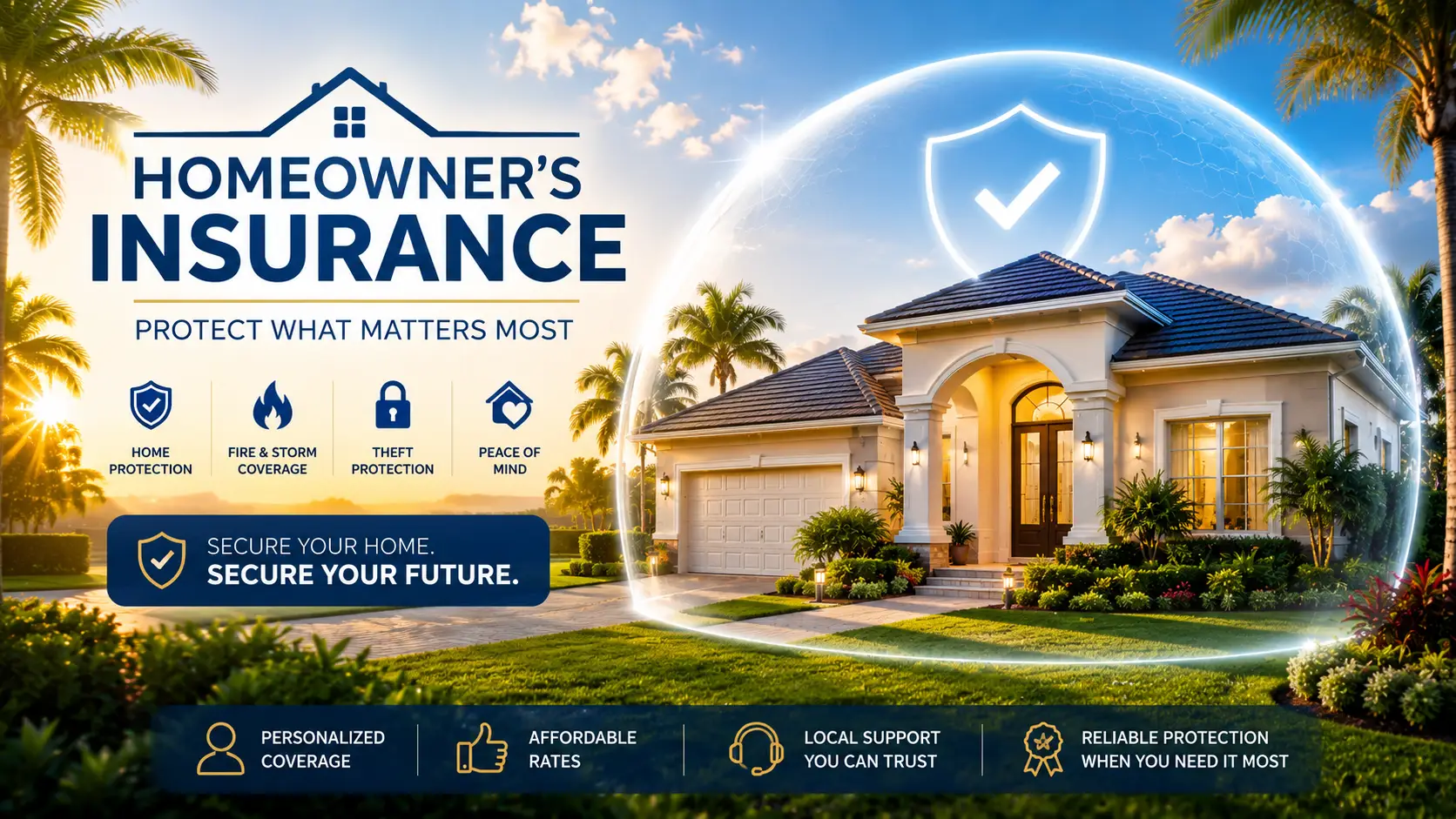
Purchasing a home is one of the most significant financial investments most people will ever make. Whether you’ve recently bought your first home or have owned property for years, protecting that investment should be a top priority. Homeowners insurance provides financial protection against unexpected events that could otherwise result in substantial repair costs, liability expenses, or even the loss of personal belongings. In Florida, homeowners face unique risks due to hurricanes, tropical storms, flooding, and severe weather conditions, making insurance coverage even more important.

Many homeowners purchase insurance simply because their mortgage lender requires it. However, homeowners insurance does much more than satisfy lender requirements. The right policy can provide peace of mind by helping you recover financially after covered losses, ensuring that your home, possessions, and financial future remain protected. Understanding how homeowners insurance works can help you make informed decisions and choose coverage that fits your specific needs.

Florida Homeowners Insurance_ What Every Homeowner Should Know in 2026

What Is Homeowners Insurance?

Homeowners insurance is a type of property insurance that provides financial protection for your home, personal belongings, and liability exposures. If your home is damaged by a covered event, your policy can help pay for repairs or rebuilding costs. In addition, homeowners insurance can help replace damaged or stolen belongings and provide liability protection if someone is injured on your property.

A typical homeowners insurance policy includes several key components that work together to provide comprehensive protection. These coverage sections are designed to address different types of risks that homeowners may encounter throughout the life of their property ownership.

Dwelling Coverage

Dwelling coverage protects the physical structure of your home, including walls, roofing, floors, built-in appliances, and attached structures such as garages. If your home is damaged by a covered event such as fire, wind, or lightning, dwelling coverage helps pay for repairs or reconstruction.

Personal Property Coverage

Your home contains valuable belongings such as furniture, electronics, clothing, appliances, and personal items. Personal property coverage helps replace these belongings if they are damaged, destroyed, or stolen due to a covered loss.

Liability Protection

Accidents can happen unexpectedly. If a guest is injured on your property or if you accidentally cause damage to another person’s property, liability coverage can help pay for legal expenses, settlements, and medical costs.

Additional Living Expenses (ALE)

If a covered loss makes your home temporarily uninhabitable, additional living expenses coverage can help pay for hotel stays, meals, transportation, and other necessary living expenses while repairs are being completed.

Other Structures Coverage

Many homeowners have detached garages, sheds, fences, gazebos, or workshops on their property. Other structures coverage helps protect these buildings if they are damaged by a covered event.

What Does Homeowners Insurance Cover?

Most standard homeowners insurance policies cover a wide range of common risks that could affect your property. Coverage generally includes damage resulting from:

  • Fire and smoke
  • Windstorms and hail
  • Lightning strikes
  • Theft and burglary
  • Vandalism
  • Falling objects
  • Explosions
  • Certain types of water damage
  • Damage caused by vehicles or aircraft

While these protections cover many common scenarios, homeowners should carefully review their policy documents to understand exactly what is and is not covered.

What Is Not Covered by Standard Homeowners Insurance?

One of the most common misconceptions among homeowners is that their insurance policy covers every type of damage. In reality, most standard policies exclude several significant risks.

Common exclusions often include:

  • Flood damage
  • Earthquake damage
  • Sinkholes (depending on policy and state requirements)
  • Mold caused by neglect
  • Pest infestations
  • Normal wear and tear
  • Deferred maintenance issues
  • Sewer backup without endorsement

Because Florida experiences frequent flooding, many homeowners choose to purchase separate flood insurance to fill this important coverage gap.

Factors That Affect Homeowners Insurance Costs

Insurance premiums are calculated based on numerous risk factors. Understanding these factors can help homeowners better manage their insurance costs.

Location

The location of your home significantly influences insurance rates. Properties located near the coast or in areas prone to hurricanes, flooding, or severe weather generally have higher premiums because of increased risk.

Home Age and Construction

Older homes may cost more to insure due to aging plumbing, electrical systems, roofing materials, and construction methods. Newer homes often qualify for lower rates because they meet updated building codes.

Roof Condition

Your roof plays a major role in protecting your home from weather-related damage. Many insurers offer discounts for newer roofs or roofs built with impact-resistant materials.

Claims History

A history of previous insurance claims may affect your premium. Insurers often view frequent claims as indicators of increased future risk.

Coverage Amount

Higher coverage limits provide more protection but generally result in higher premiums. It’s important to choose limits that adequately protect your home without paying for unnecessary coverage.

Deductible Selection

A higher deductible usually lowers your premium because you agree to pay more out of pocket before insurance coverage begins.

How to Save Money on Homeowners Insurance

Although insurance costs have increased in recent years, homeowners can still take steps to reduce their premiums.

  • Install monitored security systems.
  • Upgrade roofs, windows, and storm protection features.
  • Bundle home and auto insurance policies.
  • Maintain good credit where applicable.
  • Review your policy annually.
  • Compare quotes from multiple carriers.
  • Increase deductibles when financially appropriate.
  • Keep up with routine home maintenance.

Working with an independent insurance agency can often provide access to multiple carriers, making it easier to compare coverage options and pricing.

Why Working With an Independent Insurance Agency Matters

Choosing homeowners insurance can be overwhelming because every property has unique risks and coverage needs. An independent insurance agency can help simplify the process by comparing multiple insurance companies and identifying policies that align with your budget and protection goals.

Rather than focusing solely on price, a knowledgeable insurance professional can help ensure that you have adequate dwelling coverage, liability protection, and endorsements that address Florida-specific risks. This personalized approach helps homeowners avoid costly coverage gaps while maximizing value.

Protect Your Home With Confidence

Your home represents years of hard work, financial commitment, and cherished memories. The right homeowners insurance policy helps protect that investment from unexpected events while providing peace of mind for you and your family. By understanding your coverage options, reviewing your policy regularly, and working with experienced insurance professionals, you can make informed decisions that keep your property protected for years to come.

At Single Source Insurance, we help Florida homeowners compare coverage options from trusted insurance carriers and find solutions tailored to their specific needs. Whether you’re purchasing a new home, renewing an existing policy, or exploring ways to save on premiums, our team is here to help you navigate the process with confidence.


Frequently Asked Questions (FAQs)

1. Is homeowners insurance required in Florida?

Florida law does not require homeowners insurance. However, if you have a mortgage, your lender will typically require you to maintain adequate homeowners insurance coverage throughout the life of the loan.

2. Does homeowners insurance cover hurricane damage?

Most homeowners insurance policies cover wind damage caused by hurricanes, but hurricane deductibles often apply. Flood damage associated with hurricanes usually requires a separate flood insurance policy.

3. How much homeowners insurance coverage do I need?

You should have enough dwelling coverage to rebuild your home at current construction costs, not simply its market value. An insurance professional can help determine appropriate coverage limits.

4. Does homeowners insurance cover water damage?

Many policies cover sudden and accidental water damage, such as burst pipes. However, flood damage, sewer backups, and gradual leaks are often excluded unless additional coverage is purchased.

5. How can I lower my homeowners insurance premium?

Common ways to reduce premiums include improving home safety features, installing storm protection measures, increasing deductibles, bundling insurance policies, maintaining your home properly, and comparing quotes from multiple insurance carriers.

Painting contractors face a wide range of daily risks, whether they specialize in residential repaints, commercial coatings, industrial projects, or specialty finishes. From accidental paint overspray and damaged customer property to third-party injuries on a jobsite, even a single incident can result in costly claims that threaten a business’s financial stability.

As property owners, developers, and general contractors increasingly require proof of insurance before awarding projects, having the right coverage has become a critical component of running a successful painting business. Proper insurance not only helps protect against unexpected losses but also demonstrates professionalism and reliability to potential clients.

For painting contractors operating in Florida, Georgia, and Texas, understanding state-specific licensing considerations, project requirements, and insurance expectations can help ensure compliance while positioning a business for growth.

This guide explains the importance of Painting Contractor General Liability Insurance, common risks painters face, and what painting businesses should know about operating in these three major markets.

Painting Contractor Insurance


Understanding Painting Contractor General Liability Insurance

Painting Contractor General Liability Insurance helps protect painting businesses against financial losses resulting from third-party bodily injury, property damage, and legal claims arising from business operations.

Bodily Injury Coverage

Painting projects often involve ladders, scaffolding, tools, extension cords, and temporary work zones that can create hazards for clients, visitors, and bystanders.

Examples include:

  • A homeowner slips on a drop cloth while walking through a work area.
  • A visitor is injured near scaffolding on a commercial project.
  • A ladder accidentally falls and injures a third party.

General liability coverage can help pay for medical expenses, settlements, and related legal costs associated with covered claims.

Property Damage Coverage

Painting contractors regularly work inside occupied homes, businesses, offices, retail centers, and industrial facilities. Even experienced crews can accidentally cause property damage.

Examples include:

  • Paint overspray damaging nearby vehicles.
  • Spilled paint ruining hardwood floors or carpeting.
  • Damage to furniture, cabinetry, or fixtures during preparation work.
  • Surface grinding or sanding causing unintended damage.

Property damage coverage helps pay for repair or replacement costs associated with covered incidents.

Legal Defense Costs

Even when a painting contractor is not at fault, defending against a lawsuit can be expensive.

General liability policies often help cover:

  • Attorney fees
  • Court costs
  • Settlements
  • Judgments

Without insurance, legal expenses alone can place a significant financial burden on a painting business.

Completed Operations Coverage

Risks do not end when the project is finished.

Completed operations coverage may provide protection if claims arise after work has been completed.

Examples include:

  • Paint failure causing property damage.
  • Improper surface preparation resulting in peeling or deterioration.
  • Coating defects leading to moisture intrusion and costly repairs.

These claims can surface months after project completion, making completed operations coverage particularly important for painting contractors.


Why Painting Contractors Face Significant Liability Risks

Painting contractors frequently work on customer-owned property, often around valuable assets and occupied spaces.

Several factors contribute to elevated liability exposure:

Working on Client Property

Unlike some trades that operate primarily in new construction environments, painters often work in finished spaces containing expensive furnishings, flooring, artwork, electronics, and fixtures.

Use of Ladders and Scaffolding

Falls, dropped tools, and equipment-related incidents can create risks for workers and third parties alike.

High-Value Residential and Commercial Projects

Luxury homes, office buildings, schools, healthcare facilities, retail centers, and multi-family developments often involve significant financial exposure if property damage occurs.

Property Damage Exposure

Even minor mistakes can result in substantial claims, including:

  • Overspray damage
  • Chemical spills
  • Surface preparation errors
  • Accidental structural damage

For these reasons, general liability insurance is commonly required before painters can begin work on residential or commercial projects.


Florida Painting Contractor Requirements

Florida offers substantial opportunities for painting contractors due to ongoing residential development, commercial construction, and property maintenance needs.

Licensing Requirements

Painting contractor licensing requirements may vary depending on:

  • Project scope
  • Local jurisdictions
  • Municipal regulations
  • Commercial versus residential work

Many contractors must verify local licensing and permitting requirements before beginning projects.

Residential and Commercial Project Considerations

Certain municipalities may require permits for larger renovation or commercial painting projects, particularly when work involves structural modifications or specialized coatings.

Insurance Requirements Often Requested

Florida property owners, developers, and general contractors frequently require:

  • General liability insurance
  • Workers’ compensation insurance (when applicable)
  • Commercial auto insurance

Proof of coverage is often required before contracts are finalized.

Why Florida Painters Often Carry Higher Liability Limits

Many Florida painting contractors work on projects with elevated insurance requirements, including:

  • HOA communities
  • Condominium associations
  • Multi-family housing developments
  • Hotels and resorts
  • Commercial office buildings

Additionally, Florida’s coastal environment and hurricane-related property concerns can increase risk exposure, leading many contractors to carry higher liability limits.


Georgia Painting Contractor Requirements

Georgia’s growing construction sector continues to create opportunities for painting contractors across residential and commercial markets.

Business Licensing and Registration Considerations

Painting contractors should ensure compliance with:

  • State business registration requirements
  • Local licensing obligations
  • Municipal permitting requirements

Specific requirements can vary depending on location and project type.

Insurance Expectations in Georgia

Commercial clients and general contractors commonly require proof of insurance before awarding contracts.

Typical requirements may include:

  • General liability insurance
  • Workers’ compensation coverage
  • Commercial auto coverage
  • Certificates of Insurance (COIs)

Additional Insured Requirements

Many contracts require the property owner or general contractor to be listed as an Additional Insured.

This requirement provides certain protections under the contractor’s policy and is common on commercial projects.

Contractual Liability Considerations

Contract language frequently transfers risk to subcontractors and specialty contractors. Adequate insurance coverage can help address liability obligations contained within project agreements.

Growing Demand for Commercial Painting Coverage

As Georgia continues to experience growth in commercial development, painting contractors increasingly pursue larger projects involving:

  • Office complexes
  • Distribution facilities
  • Retail centers
  • Educational institutions
  • Healthcare facilities

These projects often require higher liability limits and extensive proof of insurance documentation.


Texas Painting Contractor Requirements

Texas remains one of the nation’s largest construction markets, creating substantial opportunities for painting contractors.

Business Registration and Licensing Considerations

Although statewide licensing requirements for painting contractors may be limited, businesses should still verify:

  • Local licensing requirements
  • Permit requirements
  • Contractor registration obligations
  • Municipal compliance standards

Requirements may vary by city and project type.

Commercial Project Requirements

Commercial property owners and general contractors frequently require contractors to demonstrate adequate insurance coverage before work begins.

Why Insurance Matters in Texas

Texas continues to experience rapid commercial and residential growth, creating a highly competitive bidding environment.

Insurance coverage often serves as a prerequisite for:

  • Commercial contracts
  • Government projects
  • School projects
  • Multi-family developments
  • Industrial facilities

Property owners increasingly expect contractors to maintain robust insurance programs as part of their risk management standards.

Common Insurance Requirements

Texas painting contractors commonly carry:

  • General liability insurance
  • Commercial auto insurance
  • Workers’ compensation insurance
  • Umbrella liability coverage

Higher-value projects frequently require increased liability limits beyond standard policy minimums.


Why Painting Contractors Need General Liability Insurance

Paint Overspray Claims

Paint overspray can travel farther than many contractors anticipate.

Potential damages include:

  • Vehicles
  • Landscaping
  • Neighboring properties
  • Outdoor furniture
  • Building facades

These claims can quickly become expensive.

Customer Property Damage

Interior painting projects often involve valuable finishes and fixtures.

Examples include:

  • Ruined flooring
  • Damaged cabinetry
  • Broken fixtures
  • Stained countertops
  • Damaged electronics

General liability insurance can help cover repair or replacement costs associated with covered claims.

Third-Party Injuries

Visitors and customers may be exposed to hazards around active worksites.

Examples include:

  • Slip-and-fall accidents
  • Ladder incidents
  • Trips caused by equipment or cords
  • Falling tools or materials

Legal Costs and Settlements

Even relatively minor claims can generate substantial legal expenses.

Without insurance, contractors may face:

  • Attorney fees
  • Expert witness expenses
  • Court costs
  • Settlement payments

Completed Operations Claims

Some of the most expensive claims arise after a project is complete.

Examples include:

  • Peeling paint due to improper preparation
  • Coating failures
  • Water intrusion resulting from improper application
  • Premature deterioration requiring extensive repairs

Completed operations coverage helps provide long-term protection against these risks.

Painting Contractors


How Insurance Helps  Win More Work

Meet Contract Requirements

Many residential and commercial clients require proof of insurance before work begins.

Maintaining proper coverage helps contractors satisfy contract requirements and avoid delays.

Qualify for Larger Commercial Projects

Many larger projects require contractors to carry minimum liability limits.

Examples include:

  • Schools
  • Office buildings
  • Retail centers
  • Government facilities
  • Apartment complexes
  • Multi-family developments

Adequate insurance can open doors to higher-value opportunities.

Build Trust with Property Owners

Insurance demonstrates professionalism and financial responsibility.

Property owners often prefer insured contractors because coverage provides reassurance if unexpected incidents occur.

Protect Business Reputation

Unexpected accidents happen in every industry.

Insurance allows painting contractors to resolve claims efficiently while preserving client relationships and maintaining their reputation in the marketplace.


Why Choose Single Source Insurance

Painting contractors need an insurance partner that understands the unique risks associated with residential and commercial painting operations.

Industry Expertise

Single Source Insurance understands the liability exposures painters face every day, from property damage claims to contractual insurance requirements.

Customized Coverage Solutions

Coverage can be tailored for:

  • Residential painters
  • Commercial painting contractors
  • Painting subcontractors
  • Multi-state painting businesses
  • Specialty coating contractors

Fast Certificate Issuance

Many projects require proof of insurance before work can begin.

Single Source Insurance helps contractors obtain Certificates of Insurance (COIs) quickly to meet bid and contract deadlines.

Competitive Rates

Contractors can access affordable coverage options without sacrificing important protections.

Multi-State Contractor Support

For painting businesses operating across Florida, Georgia, and Texas, Single Source Insurance provides guidance and coverage solutions designed to support multi-state operations.


Conclusion

Painting contractors face a wide range of liability risks, from accidental property damage and third-party injuries to completed operations claims that emerge after a project is finished. General liability insurance plays a critical role in protecting painting businesses against these exposures while helping contractors meet project requirements and compete for larger opportunities.

Whether operating in Florida, Georgia, or Texas, maintaining the appropriate insurance coverage can help protect your business, strengthen client confidence, and support long-term growth.

Get a Customized Painting Contractor Insurance Quote

Whether you’re a residential painter, commercial painting contractor, or painting company operating in Florida, Georgia, or Texas, Single Source Insurance can help you secure the right Contractor General Liability coverage to protect your business and satisfy project requirements.

Contact our team today for a customized quote and learn how the right insurance program can help your painting business grow with confidence.

FAQ: Painting Contractor Insurance

1. Is general liability insurance required for painting contractors?

While general liability insurance may not always be mandated by state law, many clients, property managers, general contractors, and commercial project owners require proof of coverage before work begins. General liability insurance helps protect painting contractors from claims involving bodily injury, property damage, and legal expenses.

2. How much general liability insurance does a painting contractor need?

Coverage requirements vary depending on the size and type of projects you perform. Many painting contractors carry at least $1 million per occurrence and $2 million aggregate in general liability coverage, while larger commercial projects may require higher limits or umbrella policies.

3. Does painting contractor insurance cover accidental damage to a customer’s property?

Yes, general liability insurance typically helps cover accidental property damage caused during painting operations. This may include damage to flooring, furniture, fixtures, landscaping, vehicles, or other property resulting from your work.

4. What types of insurance should a painting business consider in addition to general liability coverage?

In addition to general liability insurance, many painting contractors also carry:

  • Workers’ compensation insurance
  • Commercial auto insurance
  • Tools and equipment coverage
  • Umbrella liability insurance
  • Inland marine coverage for transported equipment

The right combination of policies depends on your business size, services offered, and contractual requirements.

5. Why do commercial painting contractors often need proof of insurance?

Commercial property owners, developers, and general contractors frequently require certificates of insurance before awarding contracts or allowing work to begin. Having proper insurance coverage helps demonstrate professionalism, financial responsibility, and compliance with project requirements, making it easier to qualify for larger and more profitable jobs.

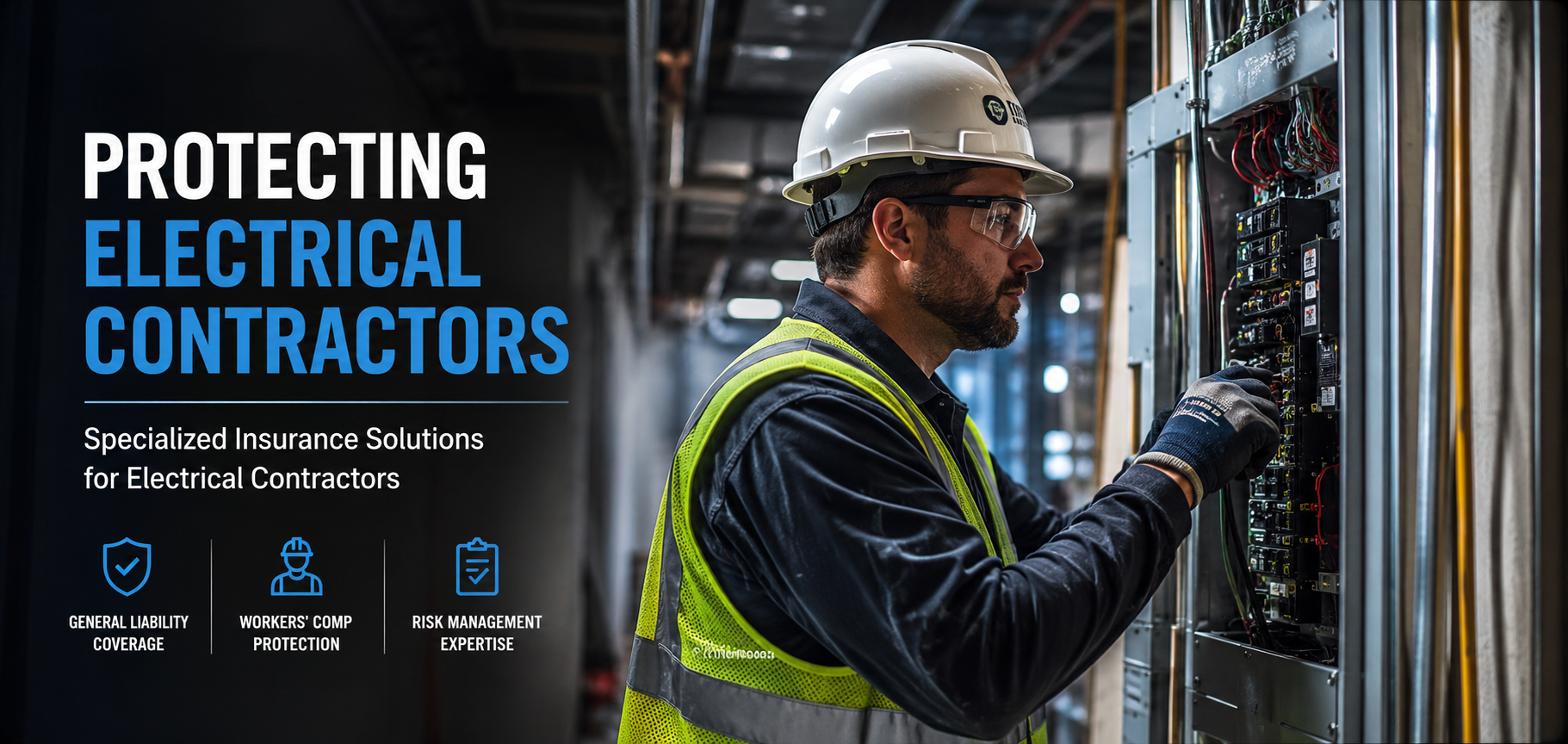
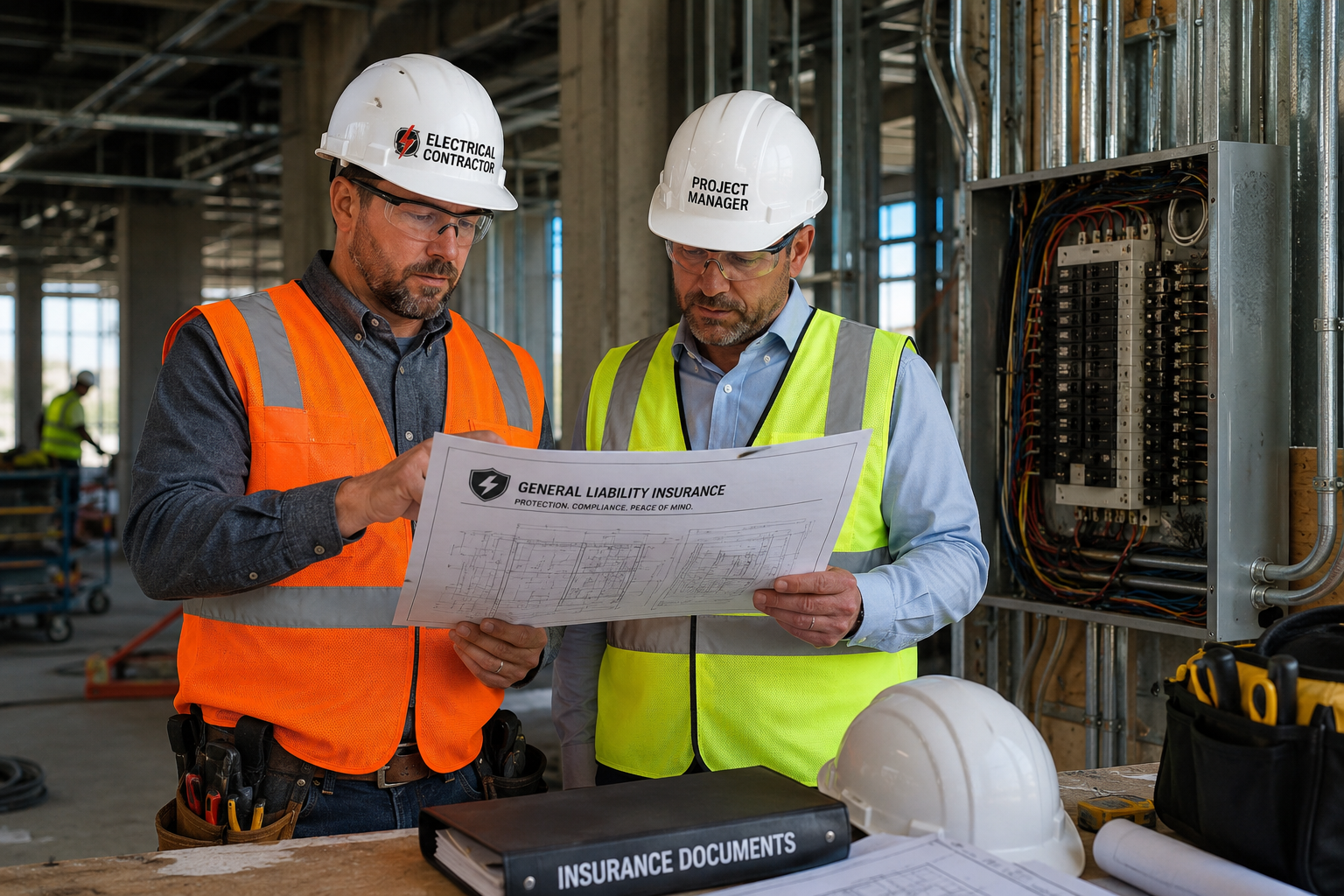
Electrical contractors face unique risks every day. Whether you’re wiring a new commercial building, upgrading electrical systems, or troubleshooting complex installations, one mistake can lead to costly property damage, injuries, legal claims, or project delays.

While licensing requirements vary across states, one thing remains consistent: carrying the right electrical contractor insurance is essential for protecting your business, maintaining compliance, and securing valuable contracts.

For electrical contractors operating in Florida, Georgia, and Texas, understanding both licensing regulations and insurance requirements can help you avoid costly setbacks and position your business for growth. In this guide, we’ll explain what you need to know about licensing requirements and why electrical contractor general liability insurance is one of the most important investments you can make.

Electrical Contractor

Understanding Electrical Contractor General Liability Insurance

Electrical contractor general liability insurance is designed to protect contractors from financial losses resulting from third-party claims. Because electrical work involves high-risk activities, general liability coverage is often considered a foundational component of any electrical contractor’s insurance portfolio.

Bodily Injury Coverage

If a customer, visitor, or third party is injured because of your work or operations, general liability insurance can help cover medical expenses, legal costs, and settlements.

For example, if exposed wiring at a job site causes someone to trip and suffer an injury, your policy may help cover the resulting claim.

Property Damage Coverage

Electrical contractors regularly work in occupied homes, commercial facilities, and industrial environments. Accidental damage to a client’s property can be expensive to repair.

Examples include:

  • Damaging walls during electrical installations
  • Accidentally drilling into water pipes
  • Causing electrical system failures that damage equipment

Property damage coverage helps pay for repairs or replacement costs when your business is held responsible.

Legal Defense Costs

Even when a claim is unfounded, defending your business can be costly.

General liability insurance may help cover:

  • Attorney fees
  • Court costs
  • Settlement negotiations
  • Judgments within policy limits

Without coverage, legal expenses alone could significantly impact your business finances.

Completed Operations Coverage

Electrical issues don’t always appear immediately after a project is completed.

Completed operations coverage helps protect your business if a customer later alleges that your work caused property damage or injury after the project was finished.

For example, if improperly installed wiring causes a fire months after completion, completed operations coverage may help respond to the claim.

Why Electrical Contractors Face Higher Liability Risks

Compared to many trades, electrical work carries elevated risks due to:

  • Fire hazards
  • Electrical shock injuries
  • High-value equipment exposure
  • Complex code requirements
  • Work on active construction sites

These risks make contractor liability insurance and electrician insurance particularly important for licensed electrical contractors and electrical businesses.

Florida Electrical Contractor Requirements

Florida regulates electrical contractors through the Electrical Contractors’ Licensing Board (ECLB) under the Florida Department of Business and Professional Regulation (DBPR).

Florida recognizes two primary categories of electrical contractors:

Certified Electrical Contractors

Certified contractors can perform work anywhere in the state of Florida.

To become certified, contractors typically must:

  • Meet experience requirements
  • Pass state examinations
  • Submit licensing applications
  • Demonstrate financial responsibility

Registered Electrical Contractors

Registered contractors are licensed to operate within specific local jurisdictions.

These contractors generally:

  • Hold local competency licenses
  • Register with the state
  • Operate only within approved jurisdictions

Insurance Expectations in Florida

While insurance requirements may vary depending on project type and municipality, many Florida contractors carry electrical business insurance that includes:

  • General liability coverage
  • Workers’ compensation (when required)
  • Commercial auto insurance
  • Umbrella liability coverage

Many commercial property owners, developers, and general contractors require proof of electrical contractor general liability insurance before allowing contractors onto a job site.

Higher Coverage Limits for Commercial Projects

Large commercial projects often require liability limits that exceed minimum standards.

Electrical contractors bidding on schools, hospitals, office buildings, and government projects frequently carry higher limits to satisfy contract requirements and reduce risk exposure.

Georgia Electrical Contractor Requirements

Electrical contractors in Georgia are regulated by the Georgia State Board of Electrical Contractors.

The state offers two primary licensing classifications.

Restricted Electrical Contractor License

Restricted license holders may work on electrical systems up to specified voltage and amperage limitations.

This license is often suitable for smaller-scale projects and businesses.

Non-Restricted Electrical Contractor License

Non-restricted license holders can perform a broader range of electrical work without the limitations associated with restricted licenses.

This classification is generally required for larger commercial projects.

Continuing Education Requirements

Georgia electrical contractors must maintain licensing compliance through continuing education and license renewal requirements.

Staying current with regulations and code changes helps contractors maintain their professional standing and eligibility to operate legally.

Insurance Expectations for Georgia Contractors

While licensing regulations may not always specify extensive liability requirements, many project owners and general contractors require proof of insurance before awarding contracts.

Common requirements include:

  • General liability insurance
  • Workers’ compensation insurance
  • Commercial auto coverage
  • Additional insured endorsements

For many contractors, carrying comprehensive contractor insurance coverage is essential for winning work and maintaining business relationships.

Municipal and Commercial Project Requirements

Many municipalities and commercial construction projects require contractors to provide certificates of insurance before permits are issued or work begins.

Having coverage readily available can help prevent project delays and demonstrate professionalism.

Texas Electrical Contractor Requirements

The Texas Department of Licensing and Regulation (TDLR) oversees electrical contractor licensing and registration requirements throughout the state.

Electrical Contractor Registration

Electrical contracting businesses must meet state registration requirements before legally offering services.

Requirements may include:

  • Employing a licensed master electrician
  • Maintaining business registration
  • Meeting insurance obligations
  • Complying with state regulations

Insurance Requirements in Texas

Texas places significant emphasis on liability insurance for electrical contractors.

Maintaining valid insurance coverage is often a key requirement for operating legally and maintaining registration status.

Many contractors carry coverage that includes:

  • General liability insurance
  • Commercial property insurance
  • Commercial auto insurance
  • Umbrella coverage

Insurance and Permit Requirements

Many jurisdictions require proof of insurance before issuing permits.

In addition, project owners frequently request certificates of insurance before contractors can begin work.

Maintaining active coverage can help contractors avoid delays and remain competitive when pursuing new projects.

Winning Competitive Bids

Many commercial projects evaluate contractors based not only on qualifications and pricing but also on insurance coverage.

Having strong electrician liability coverage can help demonstrate reliability and financial responsibility when competing for larger contracts.

Electrical contractor insurance

Why Electrical Contractors Need General Liability Insurance

Regardless of state licensing requirements, electrical contractors face substantial liability exposure every day.

Accidental Property Damage

During installations or repairs, mistakes can result in significant damage to structures and systems.

General liability insurance can help cover repair costs and associated claims.

Fire Damage from Faulty Wiring

Electrical work carries inherent fire risks.

If wiring issues lead to a fire, contractors may face substantial liability claims involving property damage and business interruption losses.

Third-Party Injury Claims

Customers, visitors, and subcontractors may be injured on or around a job site.

Liability coverage can help address medical expenses, legal costs, and settlements.

Damage to Customer Equipment

Electrical work often involves proximity to expensive equipment and systems.

Accidental power surges, installation errors, or equipment damage can result in costly claims.

Legal Costs and Settlements

Even minor disputes can generate significant legal expenses.

General liability insurance helps provide financial protection when claims arise.

How Insurance Helps Contractors Win More Work

Many contractors view insurance solely as a compliance requirement. However, the right insurance coverage can also create business opportunities.

Meet Contract Requirements

Commercial clients often require contractors to maintain specific liability limits before contracts are awarded.

Without adequate coverage, contractors may be excluded from bidding opportunities.

Qualify for Larger Commercial Projects

As project size increases, insurance requirements typically become more stringent.

Carrying appropriate coverage positions contractors to pursue larger and more profitable projects.

Build Trust with Clients and General Contractors

Insurance demonstrates professionalism and financial responsibility.

Property owners, developers, and general contractors often prefer working with contractors who have comprehensive insurance protection.

Protect Your Reputation

One uninsured claim can create financial hardship and damage a contractor’s reputation.

Insurance helps preserve business continuity and client confidence when unexpected incidents occur.

Why Choose Single Source Insurance

Electrical contractors need more than a generic insurance policy. They need a partner who understands the unique risks and requirements associated with electrical work.

Industry Expertise

Single Source Insurance works with contractors and understands the challenges faced by electrical businesses across multiple states.

Customized Coverage Solutions

Every electrical contractor has unique exposures.

Single Source Insurance helps tailor coverage based on:

  • Business size
  • Project scope
  • Revenue
  • Contract requirements
  • State-specific needs

Fast Certificate Issuance

Many contractors need proof of insurance quickly to secure permits or begin work.

Single Source Insurance provides prompt certificate issuance to help keep projects moving forward.

Competitive Rates

The right coverage shouldn’t come at an excessive cost.

Single Source Insurance works to provide competitive pricing while helping contractors maintain the protection they need.

Multi-State Contractor Support

For contractors operating in Florida, Georgia, and Texas, managing compliance across multiple jurisdictions can be challenging.

Single Source Insurance helps simplify the process by providing coverage solutions designed to support multi-state operations.

Protect Your Electrical Contracting Business Today

Electrical contractors in Florida, Georgia, and Texas face unique licensing requirements and significant liability risks. Whether you’re a licensed electrical contractor, an independent electrician, or a commercial electrical firm, maintaining the right insurance coverage is critical for protecting your business, securing contracts, and meeting project requirements.

Electrical contractor general liability insurance provides essential protection against property damage claims, bodily injury lawsuits, legal expenses, and completed operations risks that could otherwise threaten your business’s financial stability.

Whether you’re an electrical contractor in Florida, Georgia, or Texas, Single Source Insurance can help you secure the right Contractor General Liability coverage to protect your business and meet project requirements. Contact our team today for a customized quote.

FAQ: Electrical Contractor Insurance

1. Is general liability insurance required for electrical contractors?

While insurance requirements vary by state and municipality, many electrical contractors are required to carry liability insurance to maintain licensing, obtain permits, or work on commercial projects. General contractors and project owners also frequently require proof of insurance before awarding contracts.

2. What does electrical contractor general liability insurance cover?

Electrical contractor general liability insurance typically helps cover third-party bodily injury claims, property damage, legal defense costs, and completed operations claims. It can provide protection if your work causes damage to a customer’s property or results in injury to another person.

3. How much liability insurance should an electrical contractor carry?

Coverage requirements depend on the size and type of projects you perform. Many electrical contractors carry at least $1 million per occurrence and $2 million aggregate in general liability coverage, while larger commercial, industrial, or government projects may require higher limits or umbrella liability policies.

4. Does electrical contractor insurance cover damage caused by faulty wiring?

General liability insurance may help cover certain third-party property damage or bodily injury claims resulting from completed work, depending on the circumstances and policy terms. Because coverage can vary, contractors should review their policies carefully and work with an experienced insurance advisor to ensure adequate protection.

5. Why do electrical contractors need proof of insurance to win contracts?

Many property owners, developers, municipalities, and general contractors require certificates of insurance before allowing work to begin. Carrying appropriate insurance demonstrates professionalism, financial responsibility, and compliance with project requirements, helping electrical contractors qualify for larger projects and remain competitive in the marketplace.

Running a business in Florida offers incredible growth opportunities, fueled by year-round tourism and a booming population. However, it also comes with a unique set of high-stakes risks. Between aggressive state litigation trends, slip-and-fall tourist liabilities, and the ever-present threat of a hurricane forcing you to close your doors for weeks, operating without specialized coverage is a massive gamble.

As a Florida-native family agency, Single Source Insurance protects local business owners. Based in Clearwater, FL, we understand that a one-size-fits-all national commercial policy leaves dangerous gaps in your coverage. We custom-build risk management portfolios that defend your hard-earned revenue.

Florida commercial general liability insurance

Why You Need Florida Commercial General Liability Insurance

A business owner’s policy is the foundation of your company’s defense. Whether you operate a retail storefront on Tampa Bay, a construction fleet, or an accounting firm, Florida commercial general liability insurance (CGL) is non-negotiable.

Florida is a highly litigious state. If a customer trips on a wet floor during a summer rainstorm, or your employee accidentally damages a client’s property during a service call, your business is instantly exposed to a lawsuit.

A robust CGL policy covers:

  1. Bodily Injury: Medical expenses, physical pain, and suffering for non-employees injured on your premises or as a direct result of your operations.
  2. Property Damage: Legal costs and repairs if you or your staff damage a third party’s property (essential for contractors and service-based businesses).
  3. Personal and Advertising Injury: Defense against claims of slander, libel, or copyright infringement.

Without this coverage, a single lawsuit could force you to liquidate your business assets or file for bankruptcy just to cover the legal defense fees.

Understanding Workers Comp Insurance Florida Regulations

While General Liability protects you from third-party lawsuits, you have a rigid legal obligation to protect your employees.

Workers comp insurance Florida laws are strictly enforced by the state. Under the Florida Division of Workers‘ Compensation, coverage requirements are triggered based on your industry and employee count:

  • Construction Industry: If you have one or more employees (including yourself, if you are a corporate officer), you must actively carry workers’ compensation insurance.
  • Non-Construction Industry: If your business has four or more employees (full-time or part-time), coverage is legally required.

Failure to carry active workers’ comp insurance can result in devastating state-issued Stop-Work Orders, severe fines (usually double what your premium would have been), and personal criminal liability for the business owner. Single Source Insurance audits your payroll and job classifications to ensure you are fully compliant with state law without overpaying for misclassified workers.

Beyond Liability: Hurricane Business Interruption

A standard business insurance Clearwater FL package will protect your building and inventory from fire or theft, but what happens when a Category 4 hurricane makes landfall?

Even if your building survives the wind, the entire local grid may be down for weeks. If your doors are closed and you cannot generate revenue, how will you pay your lease, your vendors, or your key employees?

Business Interruption Insurance (often tied to your commercial property policy) replaces your lost net income and covers continuing operating expenses during a covered shutdown. As native Floridians, we evaluate your policy to ensure your hurricane deductibles are manageable and your interruption coverage matches your actual revenue stream.

Secure Your Company with Single Source Insurance

Your business is your livelihood. You cannot afford to leave your risk management to an algorithm or an out-of-state call center that doesn’t understand Florida’s litigation climate or coastal weather risks.

Partner with an agency that is as invested in your local community as you are.

Defend your bottom line. Contact Single Source Insurance today. Our commercial experts will audit your current policies, identify dangerous coverage gaps, and build a fortress around your business so you can focus on scaling your operations.

FAQs

1. How much commercial general liability insurance does a Florida business need?

The amount of coverage depends on your industry, revenue, contractual requirements, and risk exposure. Many small businesses start with a $1 million per-occurrence limit, but higher-risk industries often require additional protection.

2. Is business interruption insurance covered under every commercial policy?

No. Business interruption coverage is typically added through a commercial property policy and may have specific exclusions, waiting periods, and coverage limits that business owners should review carefully.

3. What types of Florida businesses are most likely to need workers’ compensation insurance?

Construction companies, contractors, hospitality businesses, healthcare providers, retail stores, and service-based companies frequently require workers’ compensation coverage due to employee-related risks and state regulations.

4. Can commercial insurance protect my business from hurricane-related losses?

Yes. Depending on the policy, commercial property insurance and business interruption coverage may help cover physical damage and lost income resulting from a covered hurricane event.

5. How often should a business review its commercial insurance coverage?

Business owners should review their policies at least annually or whenever significant changes occur, such as hiring employees, purchasing equipment, opening a new location, or expanding operations.